Photo via WPLN Nashville NPR
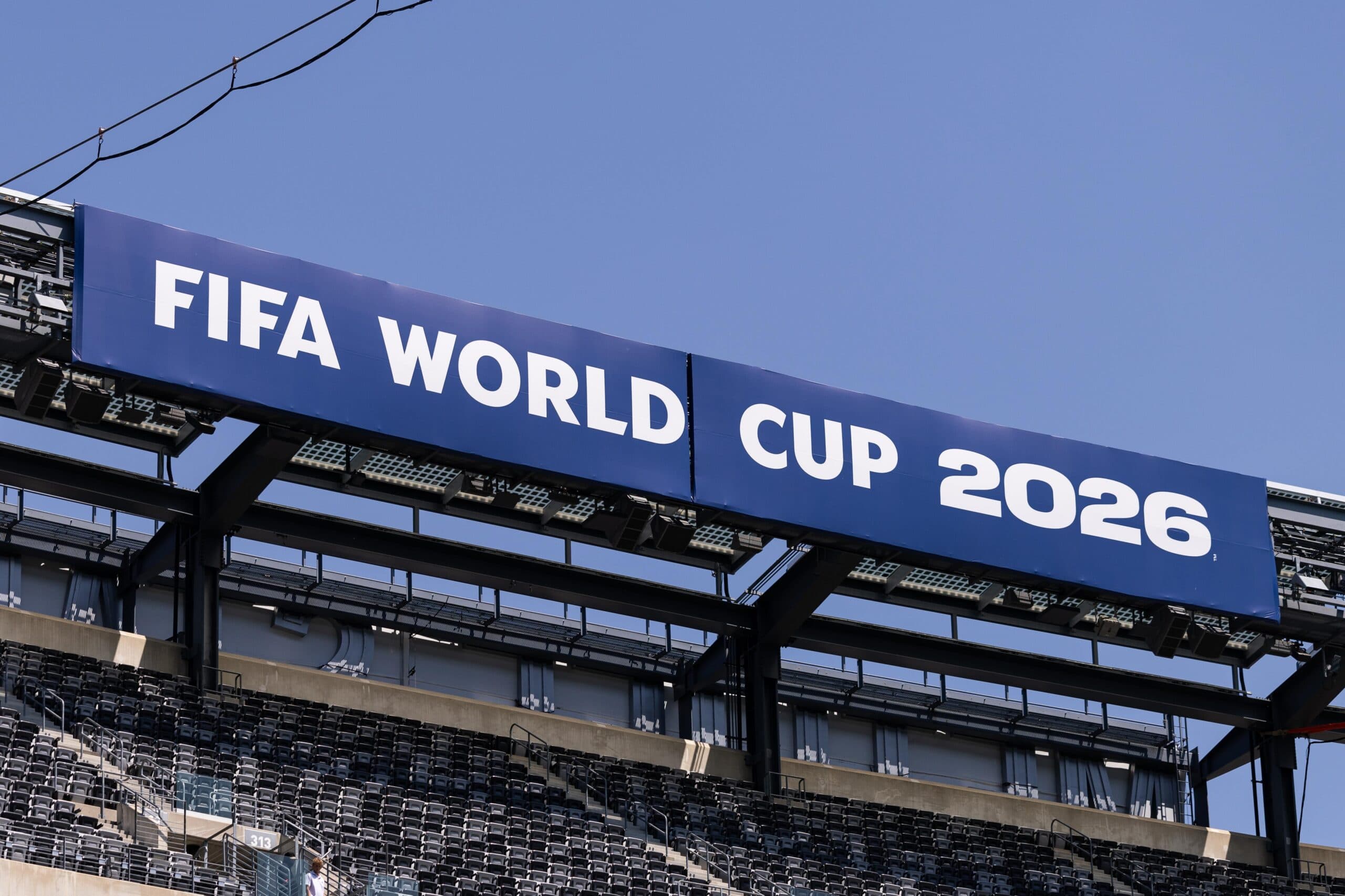
The 2026 FIFA World Cup will bring unprecedented international attention to the United States, with 39 competing nations establishing training bases across the country. According to WPLN Nashville NPR, FIFA recently finalized the roster of U.S. cities that will host these squads during the tournament. While matches will be played at 11 designated stadiums, the distribution of team training facilities across multiple markets creates significant economic activity opportunities in hospitality, food service, transportation, and entertainment sectors.
For Nashville-area business leaders, the World Cup represents a potential model for understanding how major international sporting events drive regional economic impact. Even cities not hosting match venues benefit from hosting team training camps, which require accommodations, meals, ground transportation, and local services. Hotels, restaurants, and service providers in regions selected for training facilities typically experience measurable revenue increases during such events, offering lessons for Nashville's hospitality and tourism industries.
The decision to spread teams across multiple U.S. cities rather than concentrating them in a few major markets reflects FIFA's strategy to maximize the tournament's economic reach. This distribution approach means secondary and tertiary markets—not just traditional sports powerhouses—will capture spending from international delegations, media, and visiting supporters. For Nashville businesses, the event underscores the value of maintaining competitive hospitality infrastructure and service capabilities that can accommodate large-scale international operations.
As the 2026 World Cup approaches, Nashville's business community should monitor how selected host cities structure partnerships between government, hospitality providers, and local entrepreneurs to capitalize on the influx of international visitors. The event offers a case study in event-driven economic strategy and provides insights into infrastructure investments and service excellence that can benefit the region's competitive positioning for future major events and conventions.