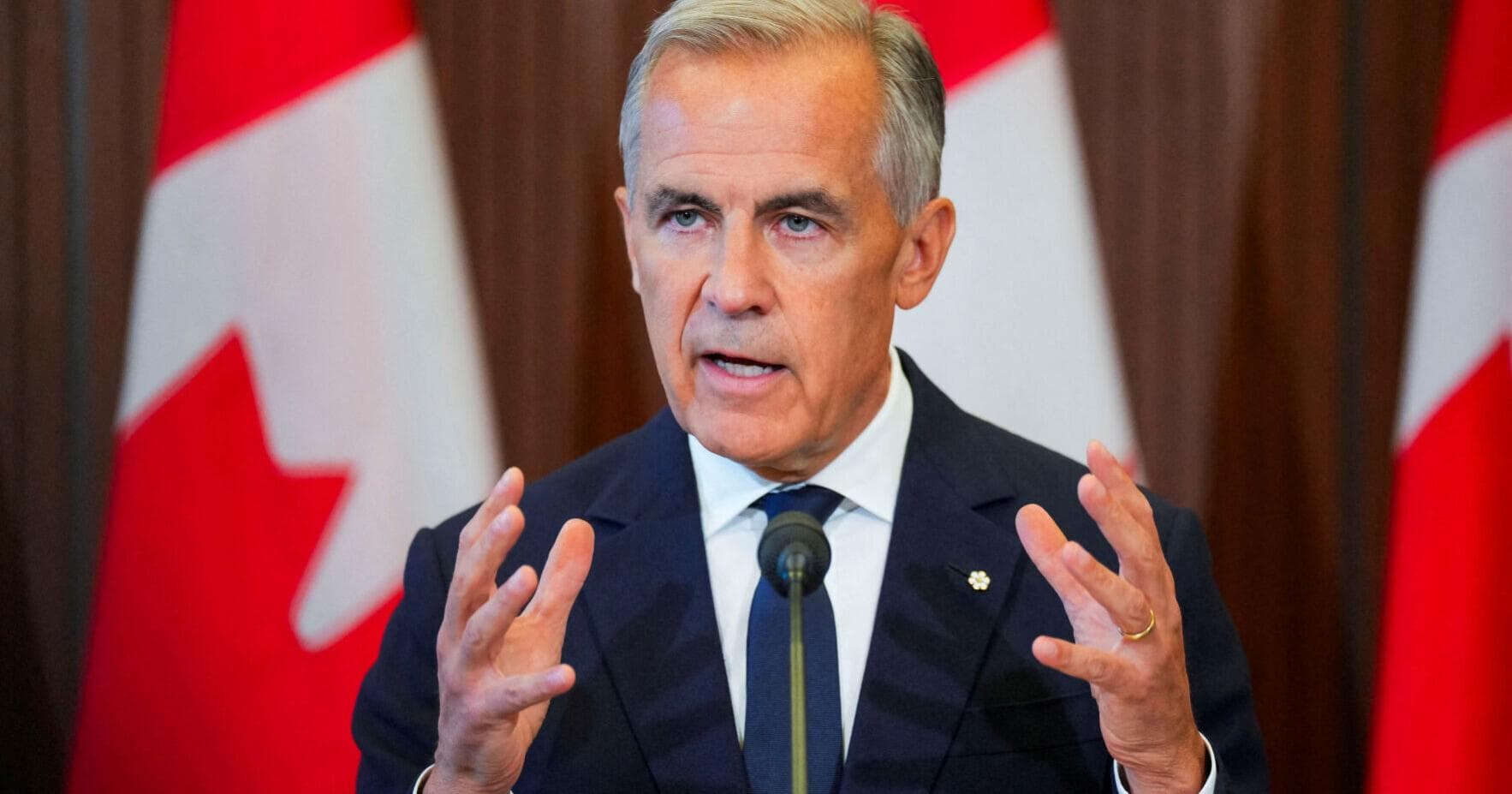
Photo via Pantagraph
The United States implemented a 50% tariff on select Canadian goods over the weekend following unsuccessful trade negotiations between the two nations, according to the Pantagraph. The breakdown in discussions marks a significant escalation in trade tensions between the longtime trading partners, with both countries pointing fingers over who caused the talks to collapse. For Nashville-area manufacturers and retailers importing materials or finished goods from Canada, this development signals potential cost increases and supply chain disruptions.
The tariff action reflects broader frustrations in bilateral trade relations, with each nation claiming the other abandoned negotiating positions. According to reporting on the situation, the disagreement centers on key trade terms that neither side was willing to compromise on. Nashville businesses in sectors like automotive, manufacturing, and retail should anticipate reassessing sourcing strategies and pricing models as these tariffs take effect.
Companies operating in the Southeast face particular concern as tariffs on Canadian goods could increase input costs and potentially trigger retaliatory measures. Local business leaders may need to explore alternative suppliers or renegotiate contracts to mitigate impact. Trade policy experts suggest monitoring developments closely, as additional tariffs or negotiation breakthroughs could significantly alter the competitive landscape for regional businesses.