Photo via Inc.
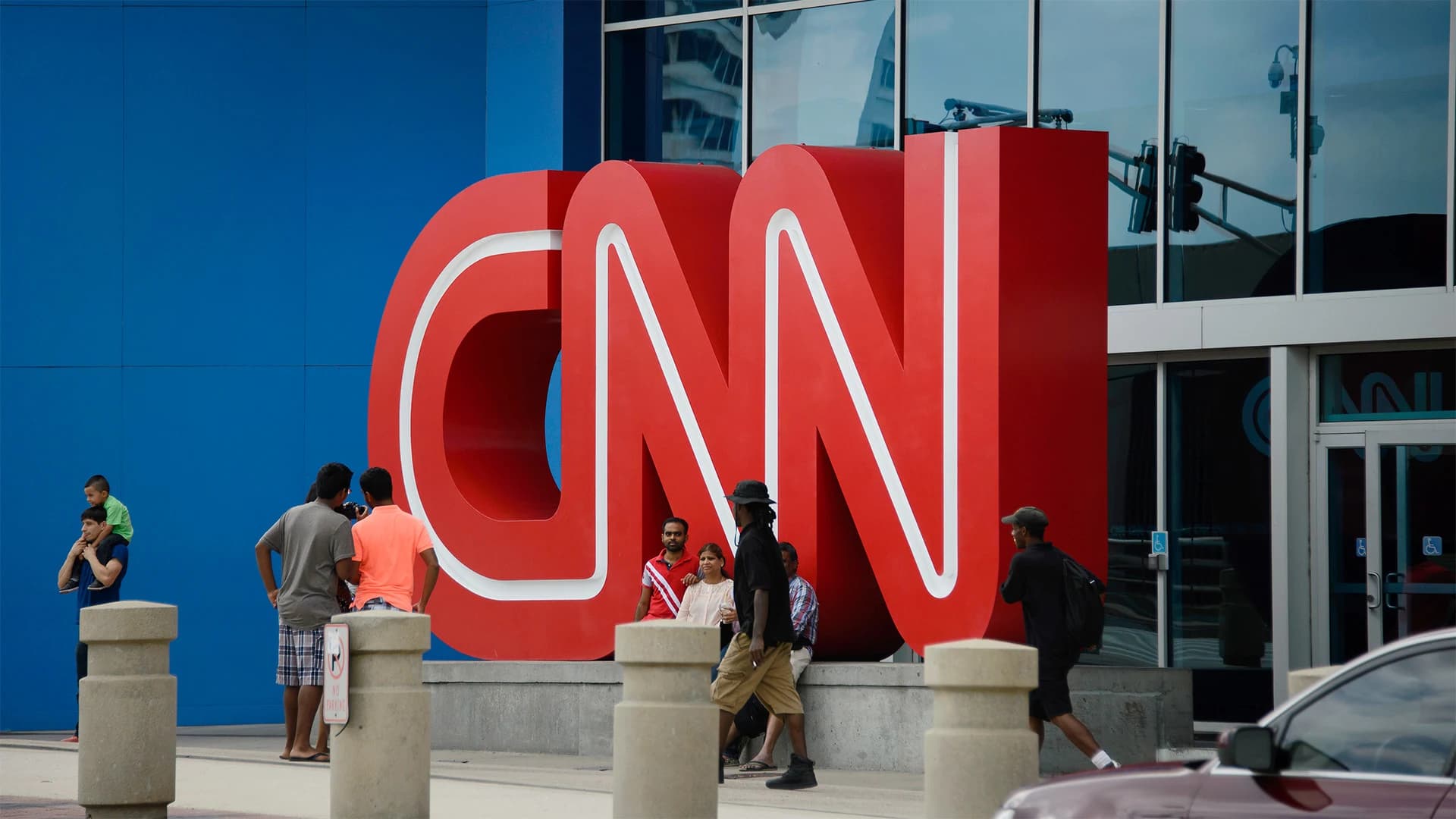
CNN's legal action against artificial intelligence firm Perplexity has opened a critical conversation that should resonate with Nashville-area business leaders. The lawsuit centers on how AI companies source and repurpose content to train their models, raising fundamental questions about intellectual property rights and fair use in the digital age. For Tennessee entrepreneurs and established companies alike, understanding these legal boundaries is increasingly essential as AI integration becomes standard business practice.
According to reporting on this case, AI firms have been systematically accessing and utilizing published content—including news articles, research, and proprietary data—to develop their technologies without explicit permission or compensation. This practice affects not just media organizations but any company that creates valuable content, intellectual property, or datasets. Nashville businesses in healthcare, manufacturing, logistics, and professional services should consider whether their confidential information, client work, or proprietary methodologies could be at risk.
Business leaders are beginning to take protective measures in response to these developments. Some are reviewing their terms of service to explicitly restrict AI training on their content, implementing technical barriers to prevent unauthorized scraping, and consulting with legal counsel about their intellectual property exposure. Others are joining industry coalitions to advocate for clearer regulatory frameworks. These proactive steps may become standard practice as the legal landscape crystallizes.
The CNN-Perplexity dispute signals that courts may soon establish precedents on AI's data consumption practices. Nashville business owners should use this moment to audit their digital assets, understand their vulnerability, and determine their stance on AI use of their content. Whether you see AI as a competitive threat or opportunity, having a clear intellectual property strategy is no longer optional—it's essential business governance.