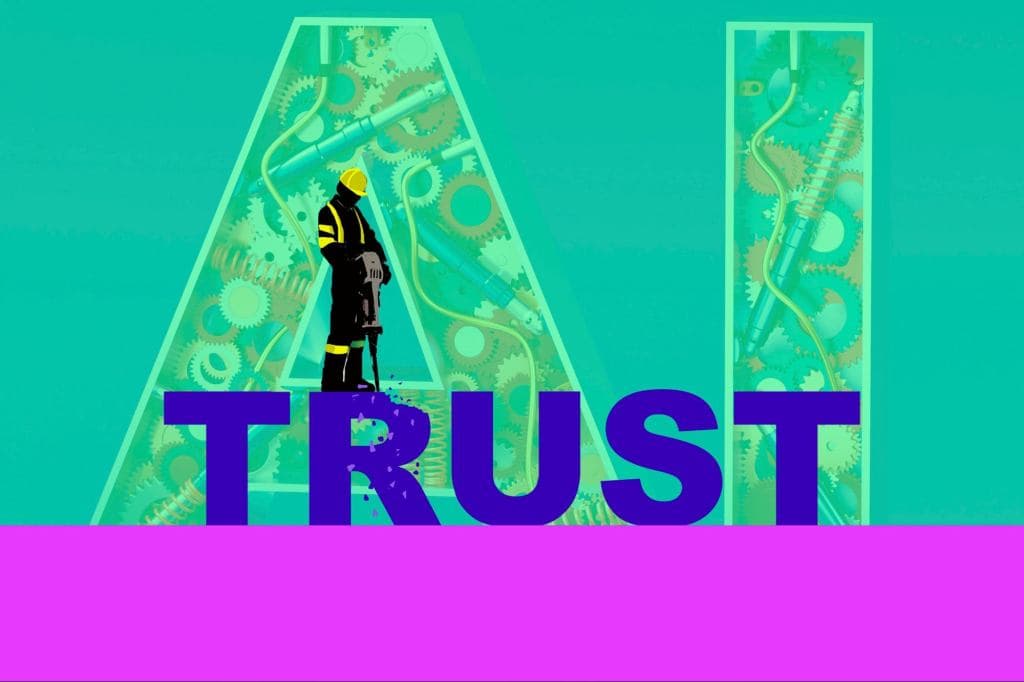
Photo via Entrepreneur
Nashville's business leaders implementing artificial intelligence solutions face a critical challenge that has nothing to do with the technology itself. According to Entrepreneur, the real vulnerability emerges when organizational leaders fail to communicate openly during periods of AI-driven change. As local companies across healthcare, logistics, and professional services adopt these tools, the gap between leadership intent and employee understanding can erode trust faster than the technology can drive efficiency gains.
The stakes are particularly high in Nashville's growing sectors. Healthcare systems introducing AI diagnostic tools, logistics operations deploying automation, and financial services firms leveraging predictive analytics all require workforce buy-in. When leaders remain vague about AI's role in job functions, career development, and organizational strategy, employees naturally fill the void with anxiety and speculation. This communication vacuum becomes especially damaging during the early adoption phases when uncertainty is already elevated.
Experts recommend a straightforward communication framework that addresses the core concerns employees voice during technological transition: What is changing? Why is it changing? How will it affect my role? What support will I receive? Nashville business leaders who adopt this transparent approach—providing context, timeline clarity, and concrete examples relevant to their specific industry—establish the foundation for productive adaptation rather than resistance.
For Nashville's competitive business landscape, where talent retention remains challenging, the ability to lead transparently through technological change represents a significant competitive advantage. Organizations that commit to clear, frequent communication about AI implementation are positioning themselves not just as technology adopters, but as leaders who value their workforce's understanding and security during periods of substantial organizational evolution.