Photo via Fast Company
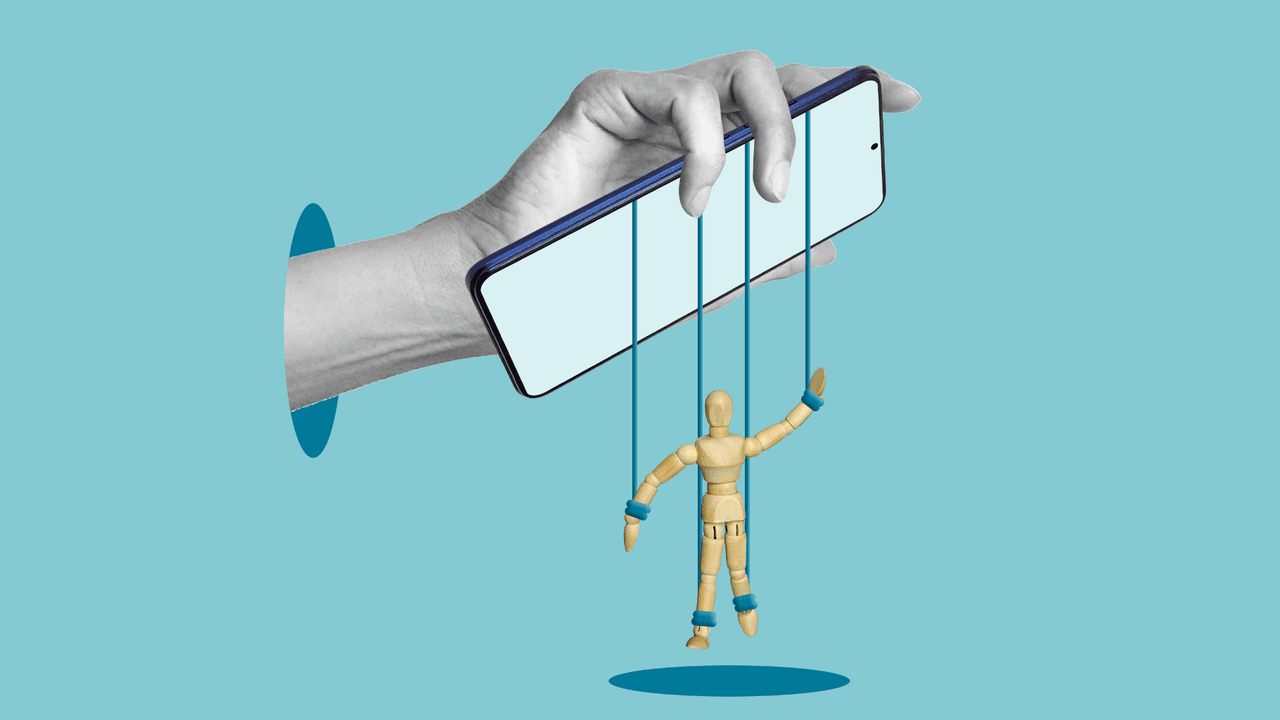
The rise of AI-generated influencers represents more than a technological novelty—it signals a fundamental shift in how brands engage audiences and build loyalty. According to Fast Company, what began as satire with Max Headroom in 1985 has evolved into a multi-billion-dollar industry where synthetic personalities now secure long-term partnerships with major companies. These digital figures operate 24/7, never experience public scandals, and require no agent negotiations or benefit packages, fundamentally altering the economics of influencer marketing.
For Nashville-area businesses and marketers, understanding this trend is increasingly critical. AI influencers like Lil Miquela have amassed millions of followers by presenting carefully crafted personas with manufactured authenticity. Unlike human influencers who face scheduling constraints, personal evolution, and unpredictable behavior, synthetic alternatives offer predictable, always-available brand ambassadors. This competitive advantage is drawing investment from luxury brands, pharmaceutical companies, and political organizations—sectors that traditionally dominate Nashville's business landscape.
The implications extend beyond marketing tactics into deeper business strategy questions. When audiences become commodities rather than customers, and when authenticity transforms from a genuine characteristic into an engineered product feature, brands must reconsider their relationship with consumers. Nashville's established hospitality, healthcare, and professional services sectors have long relied on personal relationships and trust. As AI-driven personas begin cultivating similar emotional connections at scale, local business leaders should assess whether traditional influencer partnerships remain their most effective channel.
What makes this moment distinct is the seamlessness of modern synthetic media. Unlike earlier digital creations that signaled their artificiality through visible glitches and technical limitations, today's AI influencers present with polished sincerity and human-like consistency. For Nashville business decision-makers, the challenge isn't whether AI influencers will proliferate—they will—but rather how to leverage authentic human connections as a differentiation strategy in an increasingly synthetic digital landscape.