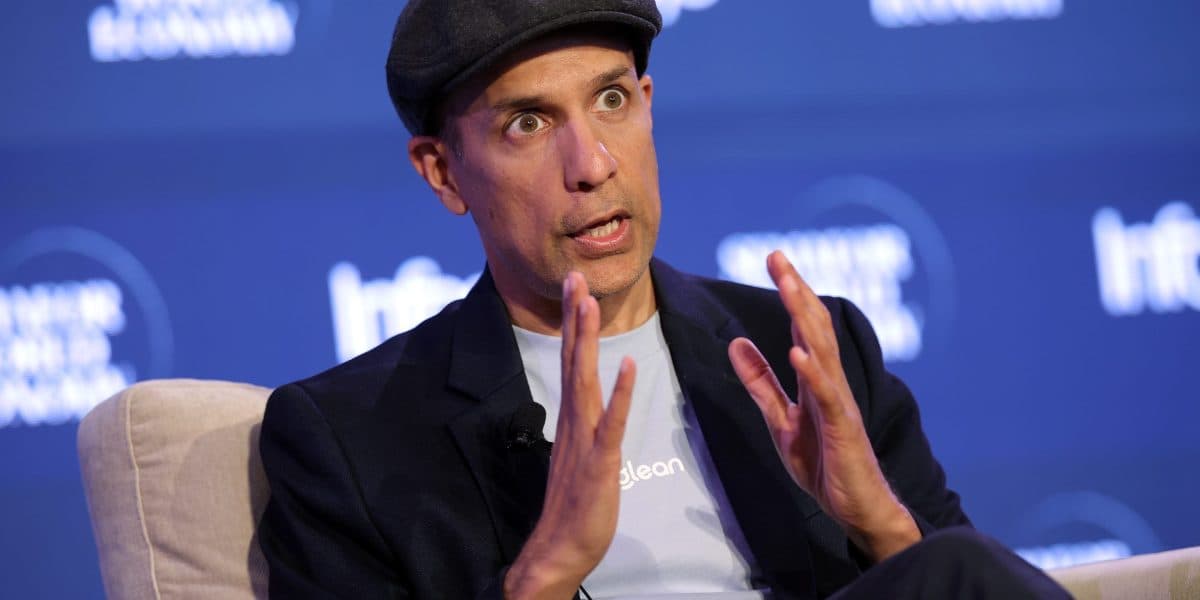
Photo via Fortune
According to Fortune, an ex-Google engineer leading a $7.2 billion AI company faces a counterintuitive hiring problem: despite receiving thousands of job applications daily, the organization struggles to identify candidates with demonstrable work ethic. The disconnect highlights a broader tension in today's labor market, where degree credentials alone no longer guarantee employment prospects, particularly in technology sectors where Nashville is increasingly establishing competitive advantages.
The CEO's emphasis on work ethic over formal qualifications signals a shift in how ambitious companies evaluate talent. Rather than fixating on prestigious educational backgrounds or specific technical certifications, this leader prioritizes candidates who demonstrate consistency, reliability, and commitment to excellence. For Nashville-area businesses competing for talent in the technology and innovation space, this perspective suggests a need to reassess hiring criteria and look beyond traditional resume markers.
The surplus of unemployed Gen Z graduates combined with this company's difficulty filling positions suggests a significant skills gap—though not necessarily in the technical sense. Employers increasingly report that soft skills, including work ethic, accountability, and adaptability, are harder to find than specialized technical knowledge. This reality has implications for Nashville's educational institutions and workforce development programs as they shape curricula for emerging professionals.
For Nashville business leaders navigating talent acquisition in competitive sectors, this case study underscores the importance of interview processes that accurately assess character and motivation. Companies seeking to build sustainable, high-performing teams may need to invest more heavily in cultural fit assessment and early-career mentorship rather than simply recruiting candidates with the most impressive credentials on paper.