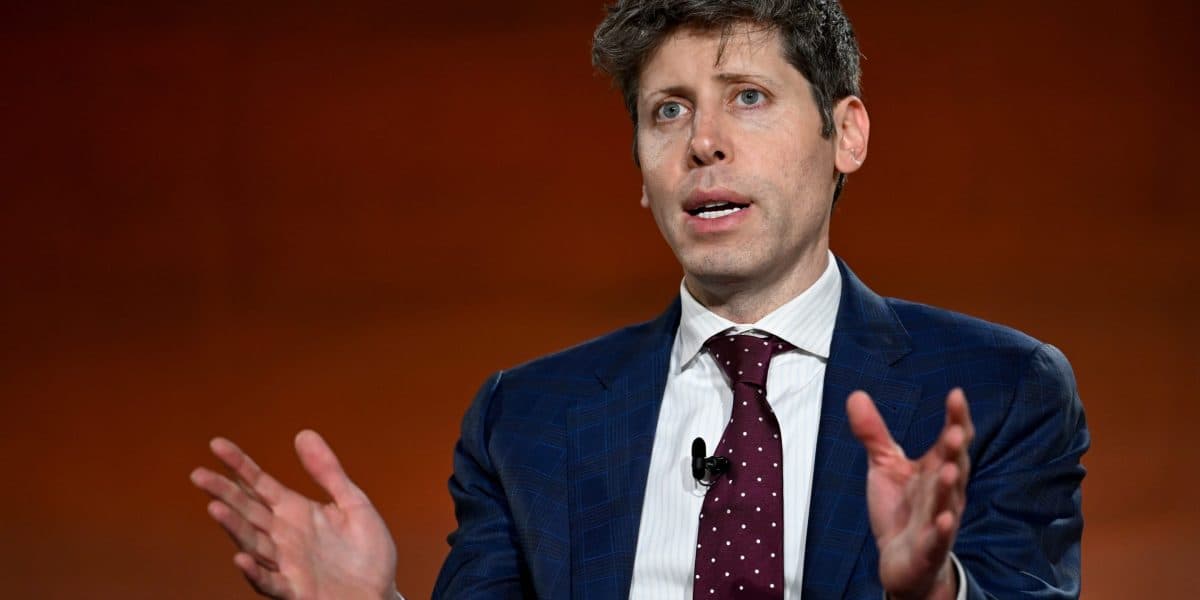
Photo via Fortune
According to Fortune, prominent artificial intelligence executives are substantially revising their previous forecasts about widespread job losses from AI technology. Sam Altman of OpenAI and Dario Amodei of Anthropic—who have previously warned of significant workforce disruption—are now expressing more measured views on automation's impact on employment. Altman recently stated he is 'delighted to be wrong' about his earlier predictions, suggesting that job market impacts may prove less severe than initially anticipated.
The shift in messaging coincides with both companies preparing for major initial public offerings, a timing that industry observers note is not coincidental. As these AI firms move toward public markets, adopting more optimistic employment narratives may appeal to institutional investors and address regulatory concerns about the technology's societal impact. The recalibration reflects a broader pattern among tech leaders reassessing AI's near-term economic effects.
Goldman Sachs CEO David Solomon and Box CEO Aaron Levie have joined this chorus, arguing against predictions of a 'white-collar wipeout' from artificial intelligence. Their positions suggest growing consensus among business leaders that workforce transitions, while real, may be manageable through retraining and adaptation rather than mass displacement. This perspective carries weight in Nashville's growing tech sector, where companies are increasingly evaluating AI integration strategies.
For Nashville-area businesses and investors, these statements underscore the importance of monitoring how AI adoption unfolds in practice. While executives' revised predictions offer some reassurance, companies should remain focused on workforce development and skills training initiatives. The coming months will be critical in determining whether this more optimistic outlook proves accurate as AI tools become more prevalent in professional environments.