Photo via Fast Company
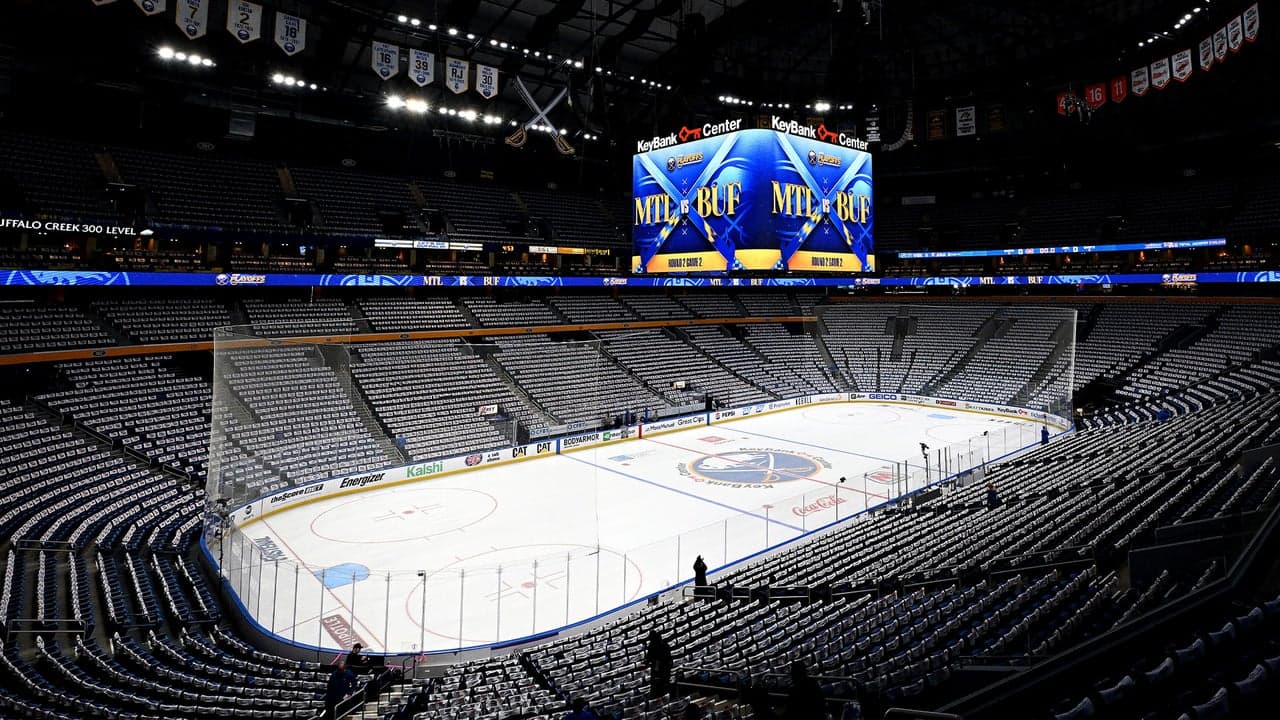
The National Hockey League has announced a multiyear partnership with Honeywell to tackle one of the sport's most pressing operational challenges: energy efficiency. As arena operators face double-digit increases in energy costs, the partnership aims to deploy AI-enabled building automation technologies across NHL facilities, practice rinks, and community ice centers throughout North America. According to the deal, Honeywell will serve as the official building automation and energy management partner for the league.
The partnership addresses a real financial squeeze facing facility managers. Greg Turner, chief solutions officer at Honeywell's Building Automation unit, noted that arenas are experiencing 11% to 17% increases in energy costs annually—a burden that extends beyond professional facilities to the community rinks that serve youth players. Rather than relying on capital expenditures alone, Honeywell's approach involves detailed facility assessments to understand operational patterns, then deploying customized automation solutions to optimize lighting, cooling, and heating based on actual usage demands.
For Nashville-area business leaders, the broader implication centers on regional economic accessibility. Youth hockey participation continues to grow nationally, yet the sport's infrastructure costs remain a barrier compared to football, baseball, and basketball—activities requiring far cheaper maintenance. The NHL's focus on lowering operating costs through efficiency gains directly impacts whether communities can sustain or expand ice facilities, which in turn affects participation rates and community investment in winter sports programming.
David Lehanski, executive vice president of business development and innovation at the NHL, emphasized that reducing facility operating costs creates a cascading benefit: lower overhead allows rink operators to reinvest savings into facility improvements and potentially reduce youth program fees. By deploying this automation framework across multiple facilities, Honeywell and the NHL aim to establish a replicable blueprint for cost-effective ice facility operations—one that could reshape economic viability for rinks nationwide, including any potential facilities in the Nashville region considering ice sports expansion.