Photo via TechCrunch
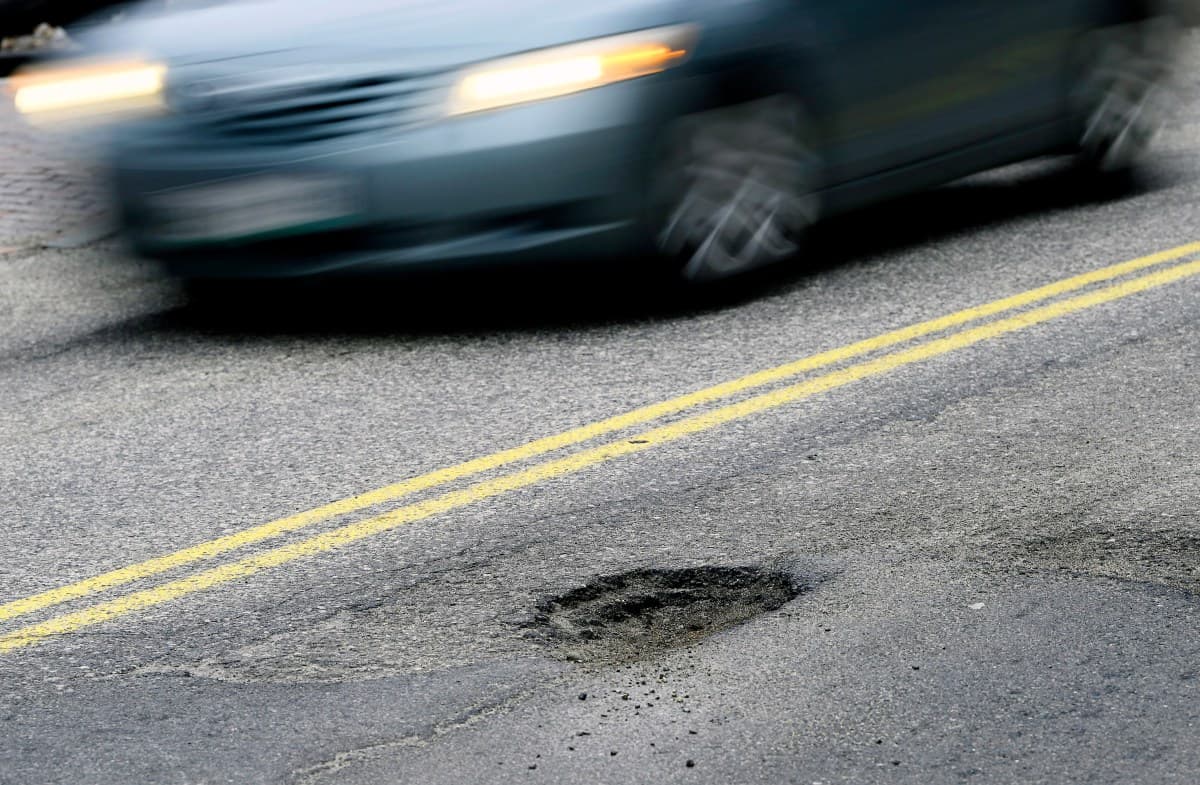
Connected vehicle technology is opening new possibilities for infrastructure monitoring in ways that could benefit Nashville-area businesses managing large fleets. According to TechCrunch, fleet management platform Samsara has developed machine learning capabilities that automatically detect potholes and other road surface defects from vehicle data collected in real time.
The AI model goes beyond simple detection—it analyzes the severity and progression rate of pavement damage, allowing fleet operators and public works departments to prioritize repairs before minor issues become major liabilities. For Nashville-based logistics companies and delivery services operating across Middle Tennessee, this technology could reduce vehicle maintenance costs and improve route planning efficiency.
The implications extend beyond private fleet operators. Municipalities managing Nashville's street infrastructure could potentially leverage anonymized data from connected commercial vehicles to identify maintenance hotspots more quickly than traditional survey methods. This represents a shift toward data-driven infrastructure management that could streamline public spending.
As AI applications in transportation and logistics continue evolving, Nashville businesses in the logistics, delivery, and fleet management sectors should monitor how these tools develop. Early adoption of such technologies could provide competitive advantages in vehicle longevity, operational costs, and customer service reliability.