Photo via FreightWaves
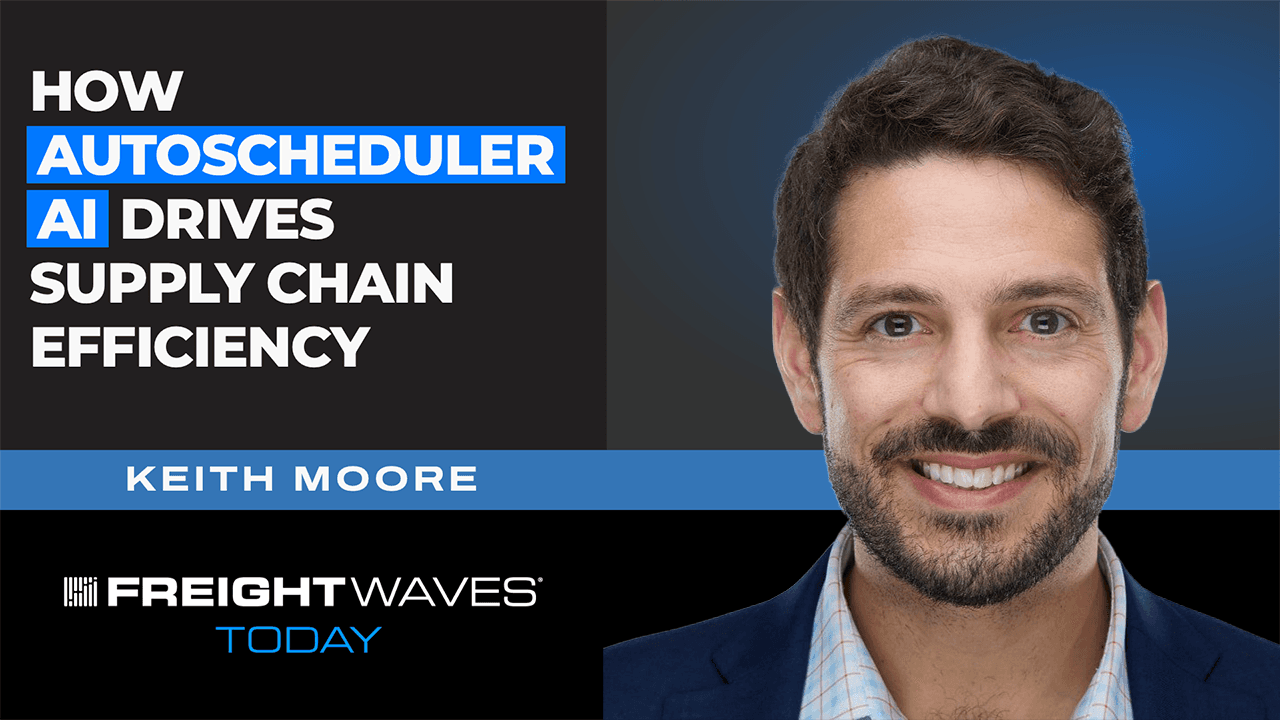
According to Keith Moore, CEO of AutoScheduler AI, artificial intelligence-powered warehouse orchestration systems are fundamentally reshaping how businesses manage complex supply chain operations. These platforms leverage machine learning algorithms to address traditionally difficult warehousing challenges, enabling companies to make more informed decisions about resource allocation, inventory management, and workflow optimization.
A key innovation driving this transformation is the concept of an "operational twin"—a digital representation that maps physical warehouse flows, clarifies operational objectives, and delivers real-time insights. This virtual model allows operators to anticipate bottlenecks, simulate scenarios, and continuously refine processes without disrupting live operations. By providing visibility into intricate warehouse dynamics, these systems enable managers to identify efficiency gains that would be difficult to spot manually.
The business impact has been measurable: companies deploying AI-powered warehouse solutions report significant improvements in throughput, service quality, and overall cost reduction. As supply chains grow more complex and consumer demand for faster fulfillment intensifies, intelligent warehouse orchestration represents a critical competitive advantage for logistics and e-commerce operators seeking to streamline operations at scale.