Photo via Fast Company
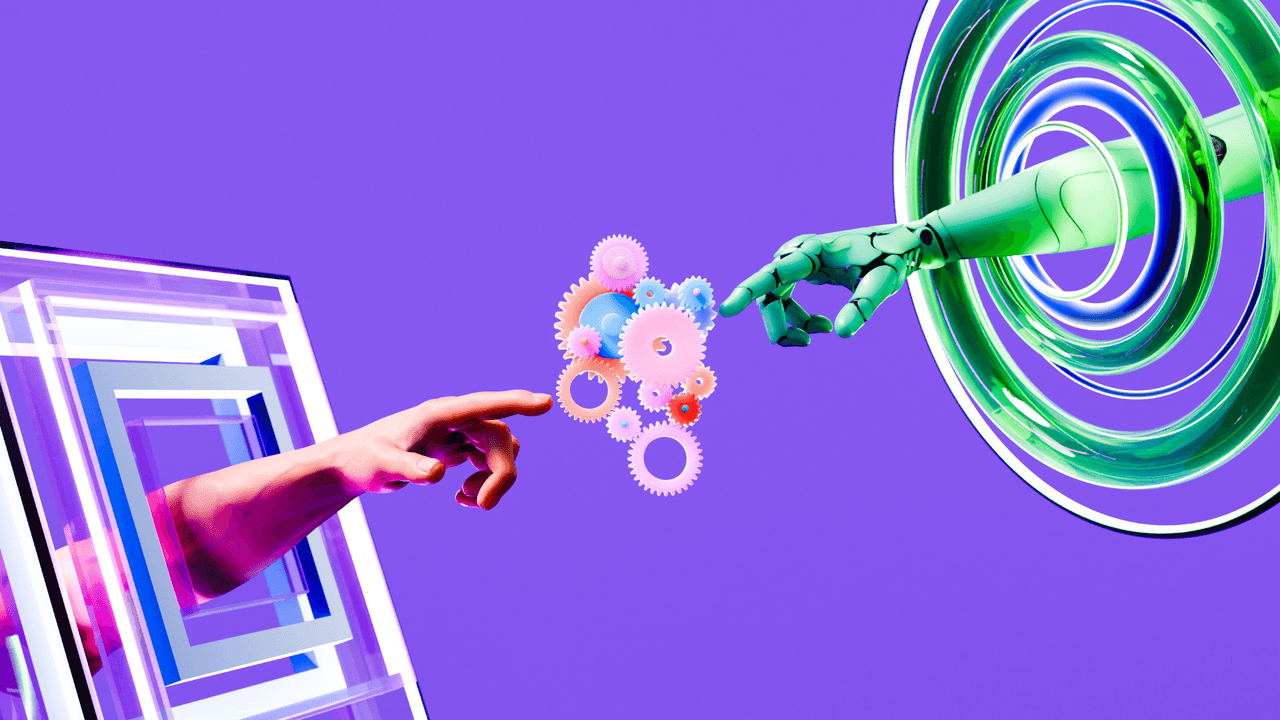
As artificial intelligence reshapes the architecture, engineering, and construction sectors, industry leaders are drawing a critical distinction between automation and augmentation. According to Mike Sewell, chief digital transformation officer at Gresham Smith, the temptation to fully automate design deliverables represents a fundamental misunderstanding of what makes design valuable. "Design is personal," Sewell emphasizes, noting that clients downstream can sense when genuine creative passion drives a project versus when efficiency shortcuts have replaced thoughtful ideation.
The risk of over-reliance on AI extends beyond immediate output quality to the long-term health of professional expertise. When teams default to instant AI-generated answers for emails, proposals, and strategic decisions, they forfeit the mental rigor that keeps professionals sharp and innovative. This concern holds particular weight for emerging architects and engineers in Nashville's growing construction sector—early-career professionals need challenging, iterative work that forces them to think critically and develop professional judgment, not immediate automation that atrophies these skills before they mature.
Sewell advocates for a deliberate methodology: start with your own professional expertise, then use AI to refine and strengthen your thinking. Rather than asking AI to generate content from scratch, he frames the tool as a critical sparring partner that identifies logical gaps, anticipates client questions, and elevates communication—but always with the human expert driving the initial direction and maintaining final authority over the work product.
Paradoxically, as AI-generated content proliferates, authentic human communication becomes increasingly valuable. Clients recognize the difference between machine-sounding outputs and genuine engagement. For Nashville firms navigating digital transformation, the strategic advantage lies not in chasing efficiency through full automation, but in protecting and enhancing the human judgment, creativity, and empathy that distinguish exceptional design work in an AI-saturated marketplace.