Photo via News Pub
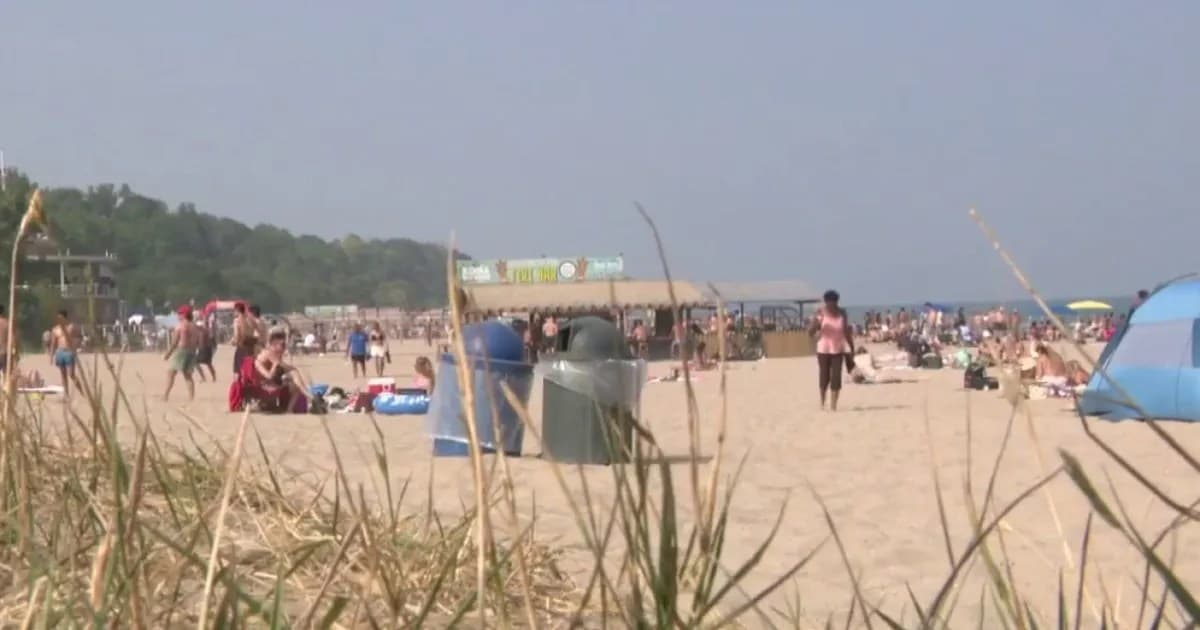
When environmental conditions improve even temporarily, leisure destinations experience measurable spikes in foot traffic and consumer spending. According to reporting from News Pub, beach destinations in the Midwest have seen notable increases in visitors during breaks from poor air quality caused by regional wildfire smoke. For Nashville hospitality professionals, this pattern underscores how external environmental factors—from air quality to seasonal weather shifts—directly influence tourism revenue and consumer behavior in ways that extend beyond traditional marketing.
The correlation between air quality and outdoor recreation demand presents strategic considerations for Nashville-area businesses in tourism, retail, and hospitality. When residents and visitors can comfortably enjoy outdoor activities, spending increases at nearby attractions, restaurants, and retail establishments. This dependency on environmental conditions suggests that regional businesses should monitor broader atmospheric and environmental trends that may affect customer behavior, particularly in sectors reliant on outdoor activities and tourism.
For Nashville business leaders, understanding how external disruptions—whether wildfire smoke, seasonal weather patterns, or other environmental factors—impact consumer movement can inform inventory planning, staffing decisions, and marketing timing. Diversifying offerings to appeal to customers across varying conditions, and building operational flexibility to respond to demand fluctuations, may help regional businesses maintain resilience when external factors affect typical visitor patterns.