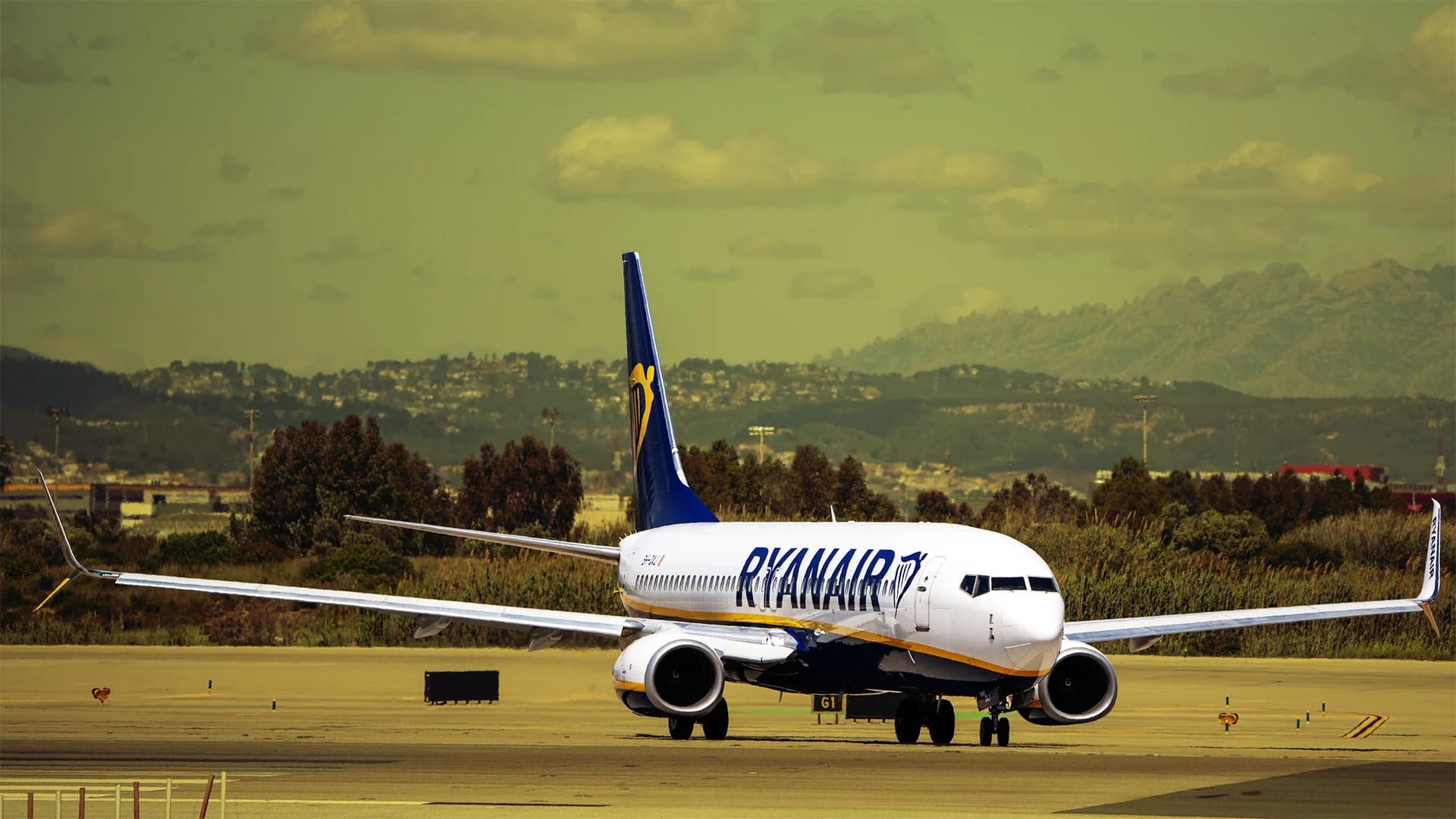
Photo via Inc.
The airline industry is heading toward significant consolidation, according to reporting from Inc. on Ryanair's strategic positioning. By securing fuel contracts ahead of the busy summer travel season, the low-cost carrier has positioned itself to weather economic turbulence that could prove fatal for competitors operating on thinner margins. This dynamic mirrors broader trends in transportation and logistics that affect Nashville-area businesses relying on regional air connectivity.
Ryanair's competitive advantage stems from forward-thinking fuel procurement and operational efficiency—a lesson not lost on Nashville's growing transportation and distribution sectors. Companies dependent on air freight and business travel benefit when dominant carriers maintain pricing stability, while weaker competitors exit the market. The consolidation could reshape flight availability and pricing for Tennessee businesses with national supply chains.
According to the source report, Ryanair plans to maintain flat fares despite securing favorable fuel pricing, a strategy that undercuts struggling competitors and accelerates their decline. This aggressive approach benefits cost-conscious travelers and shippers but reduces competitive options in the marketplace. For Nashville's tourism and hospitality sectors, route changes and carrier exits could impact visitor accessibility and convention planning.
As the year progresses, Nashville business leaders should monitor airline industry developments closely. Market consolidation often leads to route rationalization, which could affect both passenger service to BNA and cargo operations supporting regional commerce. Companies with significant air-travel or air-freight dependencies may want to diversify carriers and routes to hedge against potential service disruptions from weaker competitors.