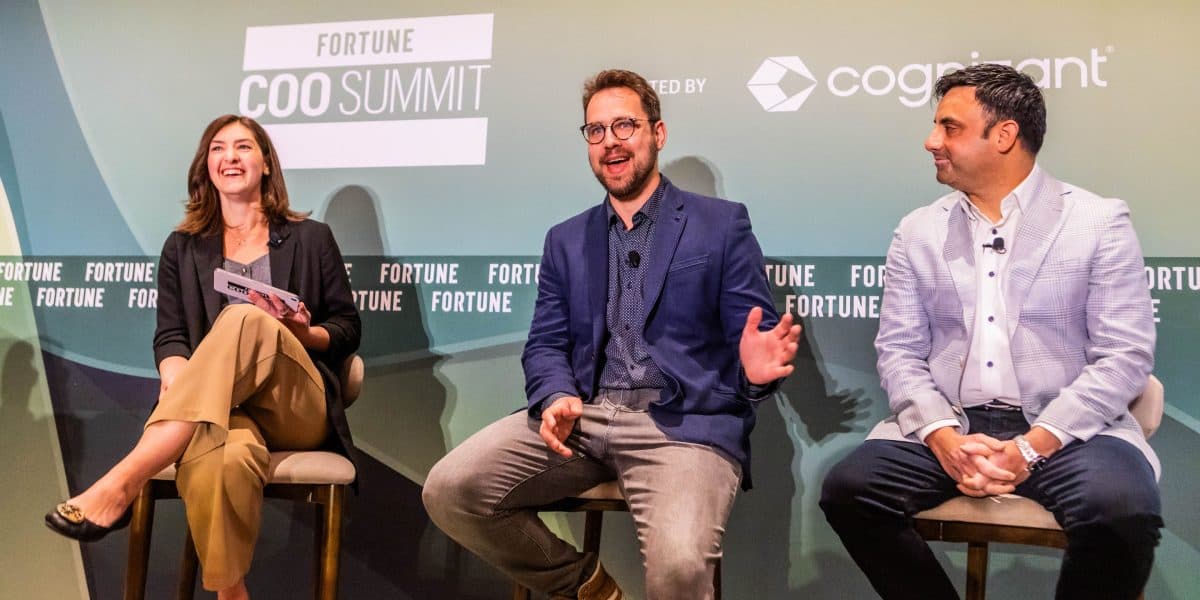
Photo via Fortune
As artificial intelligence becomes increasingly prevalent in business operations, many companies are overlooking a fundamental challenge that goes beyond technology implementation. According to Eric Kelleher, President and COO of Okta, the real difficulty lies in redesigning work itself—a transition that requires rethinking how organizations plan, budget, and allocate resources across both human and digital workforces.
The shift represents a paradigm change in workforce planning. Instead of traditional headcount budgeting, companies must now develop hybrid models that account for both human workers and what Kelleher calls 'digital workers'—AI systems and automated processes that perform specific functions. This dual-resource approach is fundamentally different from previous technological transitions and requires new financial frameworks and operational structures.
For Nashville-area businesses—particularly those in healthcare, finance, and professional services—this transition presents both opportunity and challenge. Organizations that successfully navigate this redesign will gain competitive advantages, but those clinging to legacy workforce models risk falling behind. The transition demands honest conversations about job roles, skill development, and organizational structure that many leaders are avoiding.
Moving forward, Nashville businesses should begin auditing their current work processes to identify where AI integration makes sense and how human roles should evolve. This proactive approach to workforce redesign, rather than reactive cost-cutting, will position regional companies for sustainable growth in an AI-enabled economy. The companies that embrace this challenge early will emerge as regional leaders in their industries.