Photo via TechCrunch
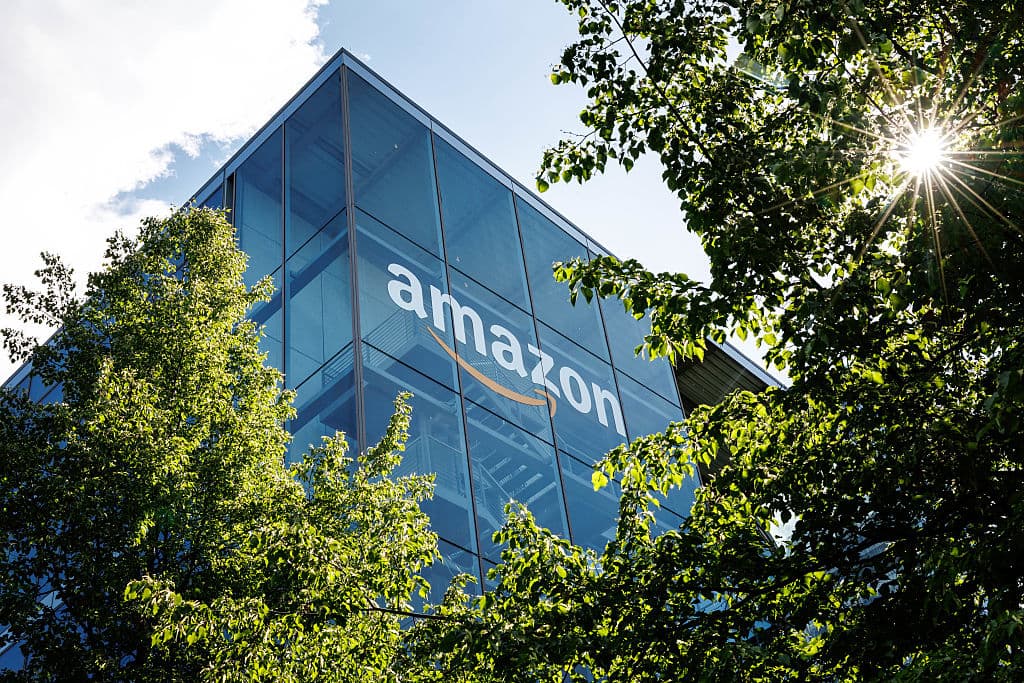
Amazon has expanded its rapid-delivery capabilities nationwide, now offering groceries, household essentials, and other goods to customers within 30 minutes of ordering. According to TechCrunch, this ultra-fast service represents a significant competitive escalation in the last-mile delivery space that could reshape consumer expectations across all retail sectors.
For Nashville-area businesses, particularly those in retail and food distribution, Amazon's move signals an urgent need to evaluate their own fulfillment and logistics infrastructure. The 30-minute standard places pressure on regional retailers to either develop comparable capabilities or differentiate through specialized services that larger competitors cannot match.
The expansion of rapid-delivery infrastructure typically requires substantial warehouse networks positioned close to population centers. This development may create opportunities for Nashville's logistics and real estate sectors, as companies throughout the region seek to establish or upgrade distribution facilities to remain competitive in an increasingly time-sensitive marketplace.
Business leaders in Nashville's retail and supply chain sectors should monitor how this service affects customer behavior and market positioning. Companies offering specialized products, local goods, or niche services may find competitive advantage by focusing on personalization and community connection—areas where they can differentiate from mega-retailers competing primarily on speed and volume.