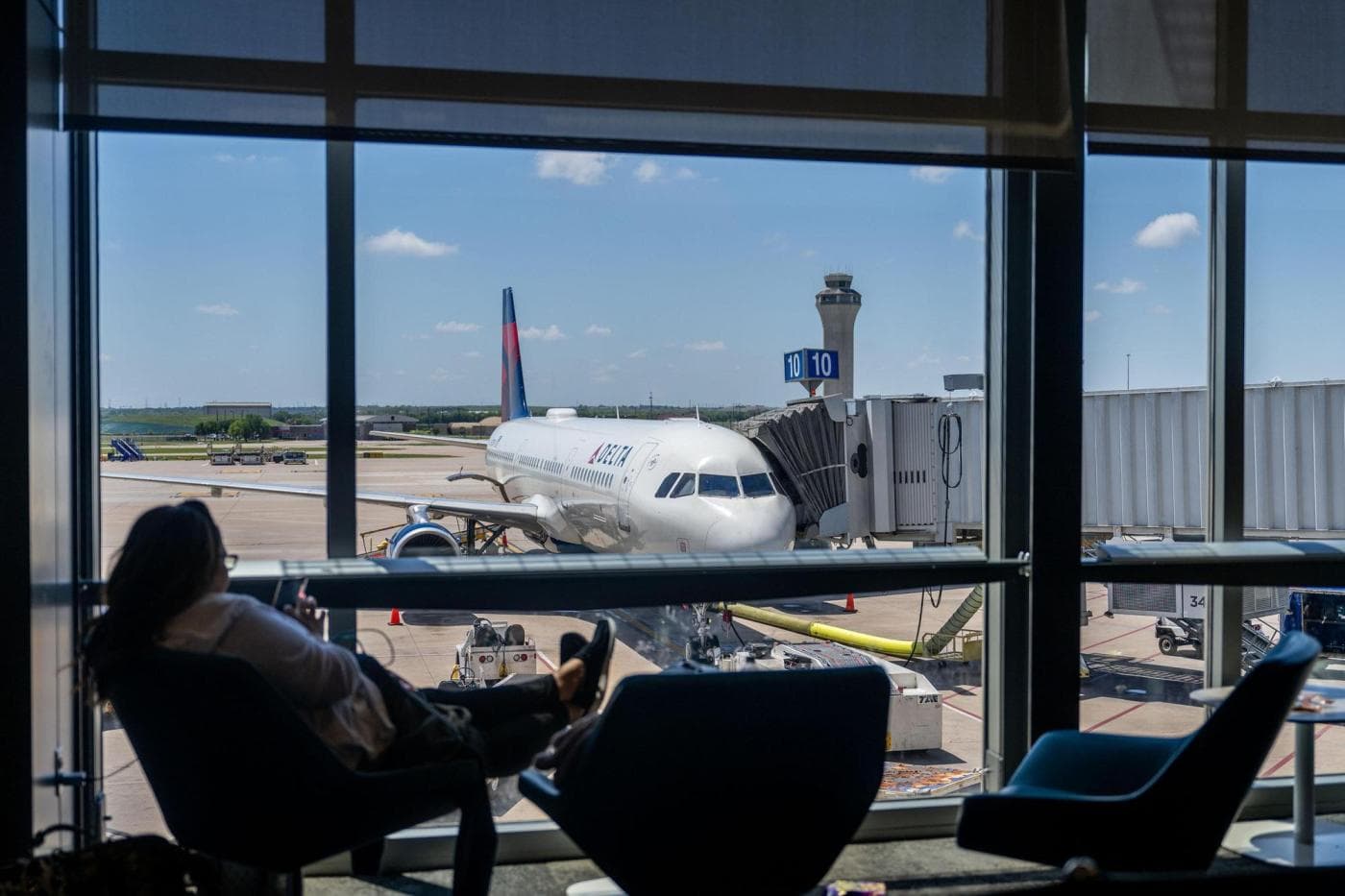
Photo via CNBC Business
The airline industry's competitive landscape shifted this year when United Airlines CEO Scott Kirby approached Trump administration officials with a merger proposal targeting American Airlines, according to sources familiar with the discussions. The overture represents a significant consolidation play in an industry where Nashville's Hartsfield-Jackson Atlanta International Airport serves as a major regional hub connecting business travelers across the Southeast.
American Airlines CEO Robert Isom has publicly stated that combining with United would harm consumers, marking a clear rejection of the proposal. For Nashville-area business travelers and companies relying on frequent air service, such consolidation could impact route options, pricing, and service quality at nearby major hubs that connect the region to national markets.
The proposed merger underscores ongoing industry pressures as carriers navigate fuel costs, labor negotiations, and changing travel patterns. However, reducing the number of major competitors in domestic aviation raises regulatory and antitrust concerns that would likely face scrutiny from federal authorities evaluating the deal's impact on consumers and competition.
American's stance reflects broader industry debates about whether scale benefits through mergers outweigh competitive concerns. For regional businesses dependent on reliable air connectivity, the outcome of any consolidation discussions could influence both travel accessibility and operational costs in the years ahead.