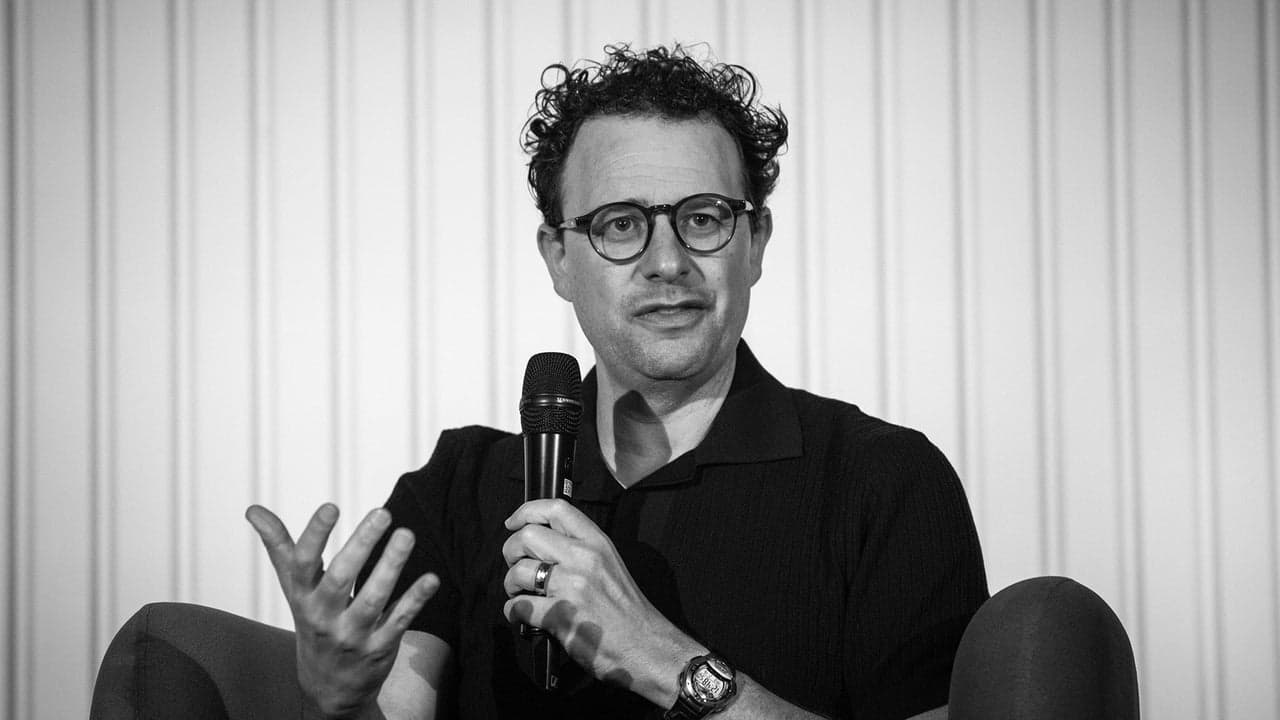
Photo via Fast Company
The artificial intelligence landscape shifted this week as San Francisco-based Anthropic announced a $65 billion Series H funding round, propelling its valuation to $965 billion—surpassing OpenAI's $852 billion valuation. According to Fast Company, the funding round was led by Altimeter Capital, Dragoneer, Greenoaks, and Sequoia Capital, with Amazon contributing $5 billion. The dramatic rise represents a near-tripling of Anthropic's value in just a few months, from $380 billion in February.
Anthropic's rapid ascent is fueled by breakthrough AI products, particularly its Claude Code assistant and the recently released Claude Opus 4.8. The company has also unveiled Claude for Small Business, a suite of automated workflows designed to streamline common operational tasks including payroll processing, marketing execution, invoicing, contract management, and content development. These practical applications address real business challenges that could benefit Nashville companies across retail, healthcare, and professional services sectors.
The stratospheric valuations underscore a broader feeding frenzy in AI investment, but experts urge caution. Jay Ritter, an IPO specialist at the University of Florida, told The New York Times that investors should be skeptical of upcoming public offerings at reported price levels. "At the potential prices that have been reported, it would be very difficult for an investor to come out ahead in a three-year period," Ritter said, cautioning that strong company fundamentals don't necessarily translate to profitable stock purchases at inflated entry points.
For Nashville-area business leaders and investors, the Anthropic-OpenAI competition represents both opportunity and risk. While AI tools promise significant operational efficiencies for local companies, the inflated valuations of these firms suggest that patient, strategic investment—rather than speculative IPO purchases—may be the wiser approach. Understanding the technology's business applications matters more than chasing headline valuations.