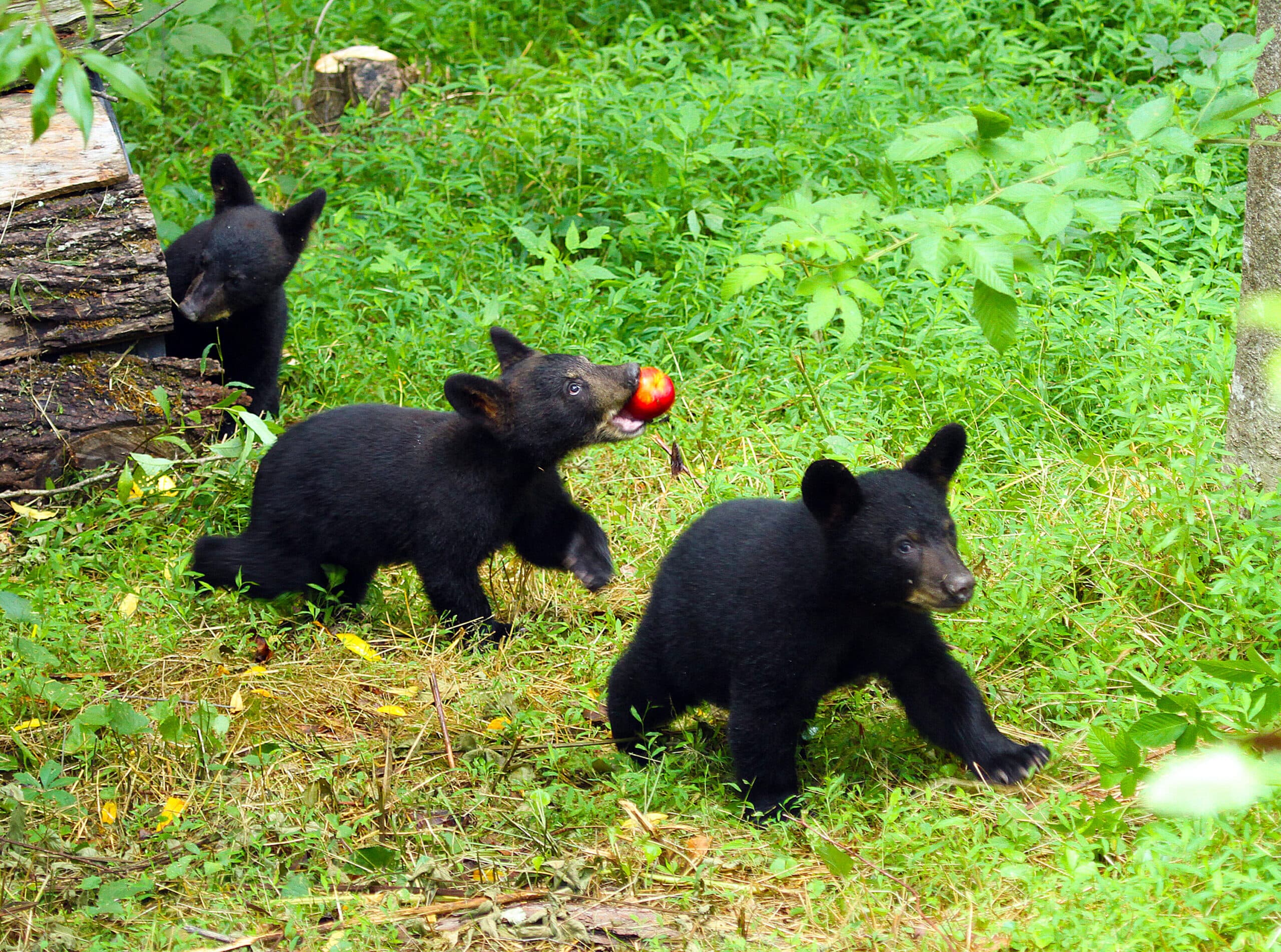
Photo via WPLN Nashville NPR
The Appalachian Bear Rescue, a 30-year-old wildlife rehabilitation center operating near Gatlinburg, Tennessee, has resumed accepting orphaned black bear cubs following an extended closure. According to WPLN Nashville NPR, the facility halted intake operations in late 2024 after a pneumonia outbreak threatened the health of animals in its care, marking a significant pause in regional wildlife rehabilitation efforts.
The outbreak had serious consequences for the facility's animal population. The Tennessee Wildlife Resources Agency (TWRA) made the difficult decision to euthanize 13 cubs that could not be safely treated, underscoring the challenges wildlife managers face when disease impacts rehabilitation operations. The closure reflected broader concerns about disease management in animal care facilities serving the broader Appalachian region.
As a key resource for wildlife conservation in East Tennessee and the Great Smoky Mountains area, the rescue's reopening supports regional ecological health and tourism-adjacent conservation efforts. The facility's restoration to full operations demonstrates the importance of sustained investment in wildlife rehabilitation infrastructure, particularly in regions where human-wildlife interaction is common and orphaned animals require specialized care.