Photo via TechCrunch
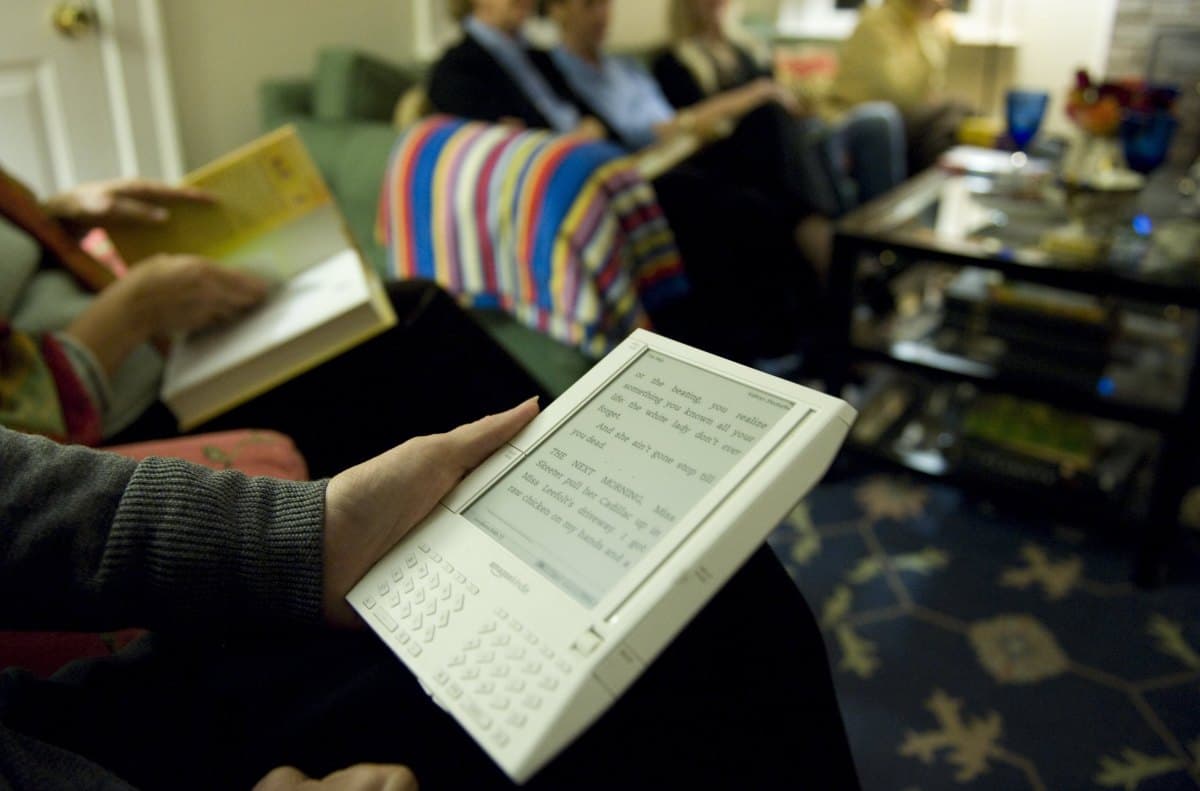
Amazon's practice of discontinuing software support for older Kindle e-readers has created an unexpected problem for loyal users: devices that are still physically functional become increasingly difficult to use. According to TechCrunch, some consumers are exploring jailbreaking as a means to continue accessing and adding books to their end-of-life devices, underscoring a growing tension between manufacturer control and consumer expectations for product longevity.
For Nashville-area retailers and tech-savvy consumers, the situation reflects broader questions about the true cost of ownership for digital devices. Unlike traditional books that retain their utility indefinitely, e-readers tied to proprietary ecosystems face obsolescence when manufacturers withdraw backend support. This dynamic may influence purchasing decisions for local businesses evaluating digital infrastructure investments.
Jailbreaking these devices, while technically possible, introduces significant security and stability risks that consumers should carefully consider before attempting. Users who choose this route may expose their devices to malware, data loss, or permanent hardware damage. Amazon has not officially endorsed or provided guidance for users seeking to extend their devices' functional lives through alternative means.
The situation raises important considerations for consumers about device sustainability and corporate responsibility. As digital commerce becomes increasingly central to retail operations across Nashville's business community, understanding the lifecycle of connected devices—and planning accordingly—has become essential for both individual users and organizational purchasing strategies.