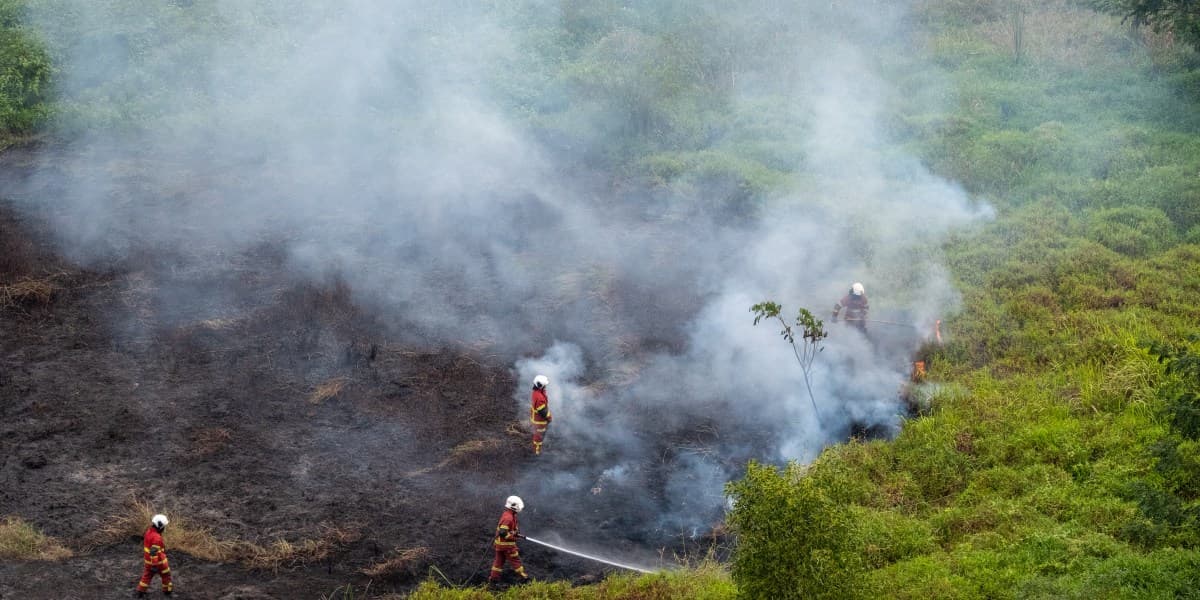
Photo via Fortune
Asia is facing a compounding energy crisis as drought conditions and elevated temperatures strain power infrastructure across the region, according to Fortune. The situation arrives at a particularly vulnerable moment, with many Asian nations already stretched thin by limited oil and gas supplies. This dual pressure—simultaneous fuel shortages and climate-driven demand spikes—creates an unstable environment for energy markets that U.S. businesses, including those in Nashville, depend upon for stable commodity prices.
The phenomenon driving this concern is the anticipated 'Super El Niño,' a climate pattern expected to intensify drought conditions and heat across Asia throughout the coming months. Such weather events historically disrupt hydroelectric power generation and increase cooling demand, forcing countries to tap emergency reserves and turn to expensive alternative fuel sources. For Nashville's energy sector and manufacturing operations dependent on stable global fuel costs, these disruptions represent a potential cost pressure.
The convergence of supply constraints and climate stress creates a critical vulnerability in global energy markets. Countries across Asia are competing for limited liquefied natural gas and oil supplies while simultaneously needing more power to manage extreme temperatures. This squeeze could elevate international energy prices and force utilities worldwide to make difficult allocation decisions, potentially affecting electricity rates and manufacturing competitiveness in middle Tennessee.
Nashville-area business leaders should monitor Asian energy developments closely, as international fuel market volatility often transmits to domestic operations within months. Companies in logistics, manufacturing, and retail should evaluate their exposure to energy price fluctuations and consider whether supply chain diversification or hedging strategies might protect margins as global energy markets face this period of heightened uncertainty.