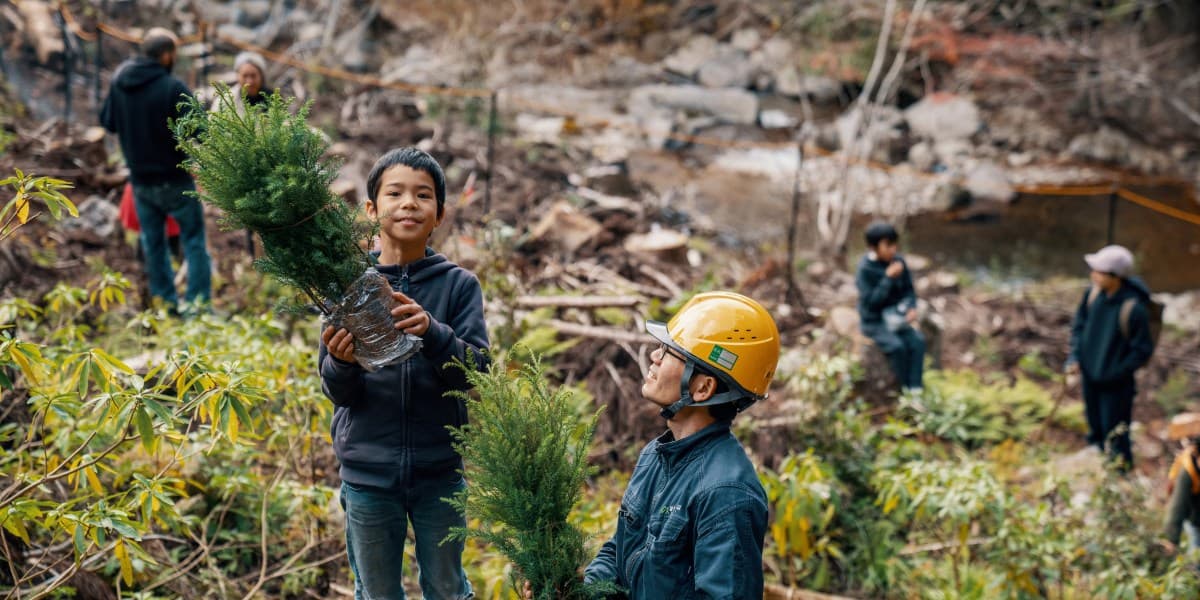
Photo via Fortune
The landscape of global climate finance is undergoing a significant realignment. According to Fortune, philanthropic giving worldwide remains heavily concentrated outside environmental causes, with climate mitigation receiving less than 2% of total charitable contributions. This limited funding pool faces additional pressure as traditional Western donors scale back their commitments, creating both challenges and opportunities for alternative funding sources.
Asia's role in climate finance remains disproportionately small relative to the region's economic influence and environmental stakes. Of the modest climate philanthropy already committed globally, merely 12% reaches Asian markets and initiatives. This funding gap reflects a broader pattern where developing economies—particularly in Asia—struggle to attract capital for green infrastructure, renewable energy projects, and climate adaptation strategies despite facing acute environmental pressures.
For Nashville-area businesses, this shift has tangible implications. Companies in energy, technology, and logistics sectors that operate or source from Asian markets may find new partnership and investment opportunities emerging from Asian climate funds. Additionally, as Asian nations invest heavily in renewable infrastructure and green technologies, U.S. firms positioned to supply or collaborate on these projects could see expanded market access.
The question facing global investors and policymakers is whether Asian funders can sustain and scale their climate commitments independently. A successful transition would require not only increased capital deployment from private investors and governments across Asia, but also stronger policy frameworks and transparent reporting mechanisms to ensure funds reach high-impact projects efficiently.