Photo via San Antonio Express-news
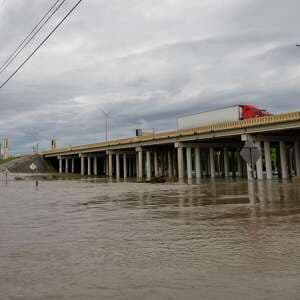
Autonomous vehicle technology faced a significant test during severe weather in San Antonio, where an unoccupied Waymo robotaxi encountered floodwaters on an interstate frontage road. According to the San Antonio Express-News, the driverless vehicle entered water covering the I-35 frontage road near Salado Creek during heavy rains on April 20, ultimately floating away in the flood.
The incident underscores a critical gap in autonomous vehicle deployment: environmental adaptability during extreme weather events. Most driverless taxi services currently operate in controlled conditions with predictable traffic patterns and clear visibility. Nashville-area technology and logistics companies exploring autonomous solutions should note that weather resilience remains a significant barrier to widespread adoption.
For Nashville's growing tech sector and companies considering autonomous vehicle integration into their operations, this incident serves as a cautionary reminder. The limitations exposed in San Antonio—where a vehicle's sensors and decision-making systems failed to adequately assess flood risks—reflect broader industry challenges in programming autonomous systems to handle rare but catastrophic environmental conditions.
As autonomous vehicle technology matures, developers will need to address weatherproofing and environmental hazard recognition more comprehensively. For regional businesses evaluating the timeline for autonomous fleet deployment, such incidents demonstrate that full reliability remains years away, particularly in areas prone to severe weather conditions like those affecting the Southeast and Mid-South regions.