Photo via FreightWaves
The autonomous vehicle revolution is shifting into an unexpected lane: private industrial yards. Rather than navigating public roads—the traditional focus of self-driving technology—companies are discovering that controlled warehouse and distribution facility environments offer a more promising near-term opportunity for autonomous trucking deployment.
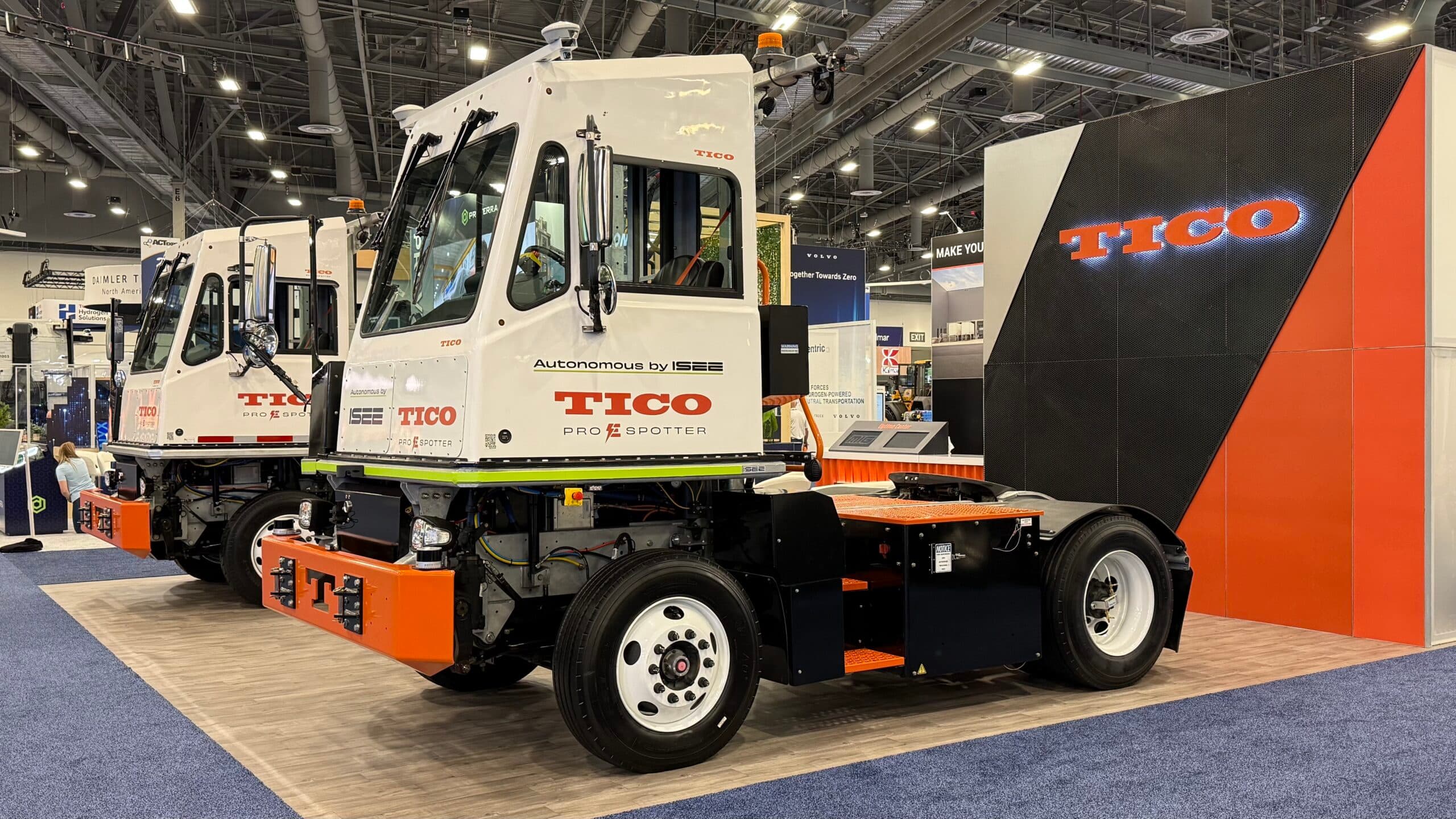
According to FreightWaves, ISEE AI and TICO are leading this charge with plans to begin producing autonomous yard tractors by 2027. These specialized vehicles handle the repetitive, lower-speed work of moving trailers between loading docks, storage areas, and staging zones—tasks that don't require highway navigation but represent significant operational costs for logistics companies.
For Nashville-area businesses reliant on logistics and warehousing—from distribution centers to manufacturing facilities—this technology could streamline yard operations and reduce labor costs. The development of Gen-7 autonomous systems and closed safety cases are enabling manufacturers to pursue hundreds of truck orders, suggesting the technology is approaching commercial viability sooner than many expected.
The private yard focus represents a pragmatic pathway for autonomous adoption. By perfecting autonomous operations in controlled, private environments first, companies can demonstrate safety and efficiency before tackling the more complex variables of public road deployment. For Southeast regional logistics operators, this could mean measurable productivity gains within the next few years.