Photo via Fast Company
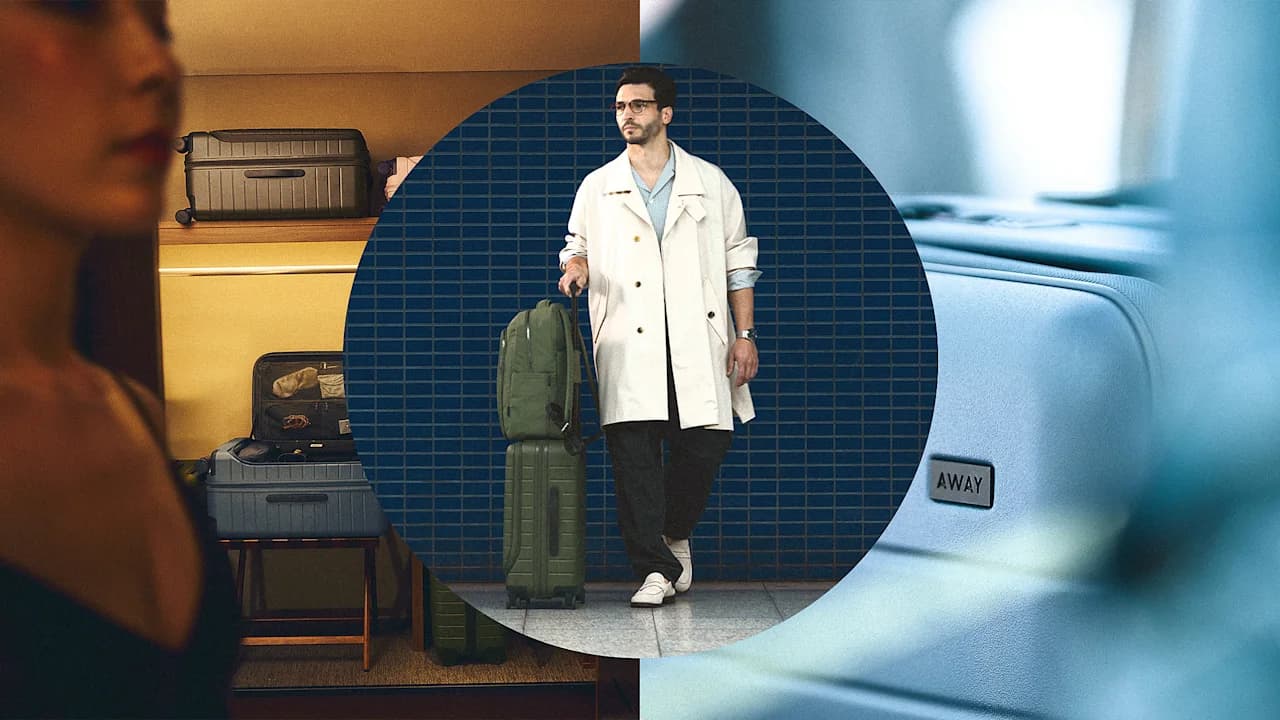
Amtrak has partnered with luggage maker Away to introduce a new line of suitcases specifically engineered for train travel, addressing long-standing pain points that have deterred passengers from choosing rail over other transportation modes. The collaboration, which launched with early access for Amtrak's first-class Acela customers, represents a strategic effort to elevate rail travel's image and attract younger, design-conscious consumers seeking alternatives to air travel.
The new Topside collection features several innovations tailored to confined train spaces, including a wheel-locking brake system that prevents luggage from rolling in corridors and a vertical front panel that allows passengers to access belongings without opening cases flat. The bags, priced between $375 and $475, also include a modular closet system with hanging compartments designed to fit in sleeper cars—a thoughtful addition that acknowledges the unique constraints of extended rail journeys compared to traditional business travel.
For Amtrak, the partnership extends beyond product design to brand positioning. The company logged record ridership of 34.5 million passengers and $3.9 billion in revenue last year, yet executives recognize that premium positioning and lifestyle partnerships help rebuild consumer perception of train travel as contemporary and desirable. Additional collaborations, including a limited-edition suit designed with New York School of Design students, underscore Amtrak's commitment to strategic brand elevation.
The luggage rollout arrives amid broader infrastructure investments in American rail, though questions remain about whether design partnerships alone can overcome fundamental service limitations. While trains offer environmental benefits—72% fewer emissions than planes—and operational advantages like centralized station locations, aging equipment and limited route coverage in smaller cities continue to constrain adoption. Industry observers suggest that lifestyle partnerships like the Away collaboration may help shift consumer attitudes while infrastructure improvements work toward modernization.