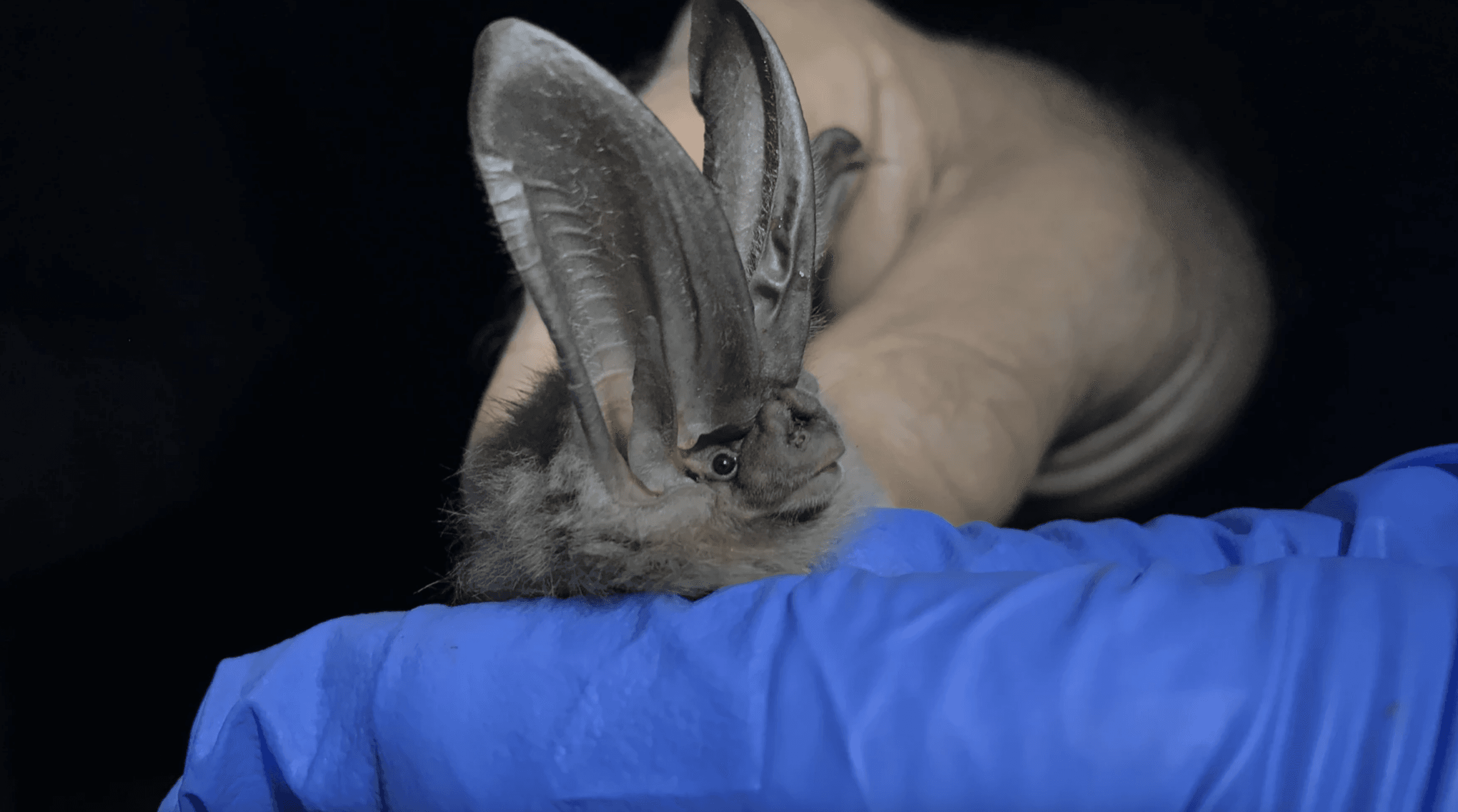
Photo via WPLN Nashville NPR
Bats represent one of agriculture's most valuable yet underappreciated assets, providing pest control services worth billions of dollars nationwide. According to WPLN Nashville NPR, these mammals consume massive quantities of insects that would otherwise devastate crops, making them essential allies for farmers across the Southeast. For Georgia's agricultural sector—a significant economic driver in the region—the loss of bat populations could translate into increased pesticide costs and reduced crop yields.
White-nose syndrome and shifting climate patterns have decimated bat populations in recent years, raising alarms among environmental scientists and agricultural economists alike. The fungal disease, combined with changing weather patterns that disrupt hibernation cycles and food availability, has caused substantial population declines across multiple species. Farmers and agribusiness leaders in the Nashville region should recognize this ecological disruption as a potential business risk that could impact production costs and operational planning.
The convergence of environmental pressures threatens to eliminate a free, renewable resource that Georgia's farming community has long relied upon. As conservation efforts intensify, agricultural businesses may need to reassess pest management strategies and budget for alternative solutions. Protecting bat habitats and supporting research into disease mitigation could prove far more cost-effective than replacing the ecosystem services these creatures provide.