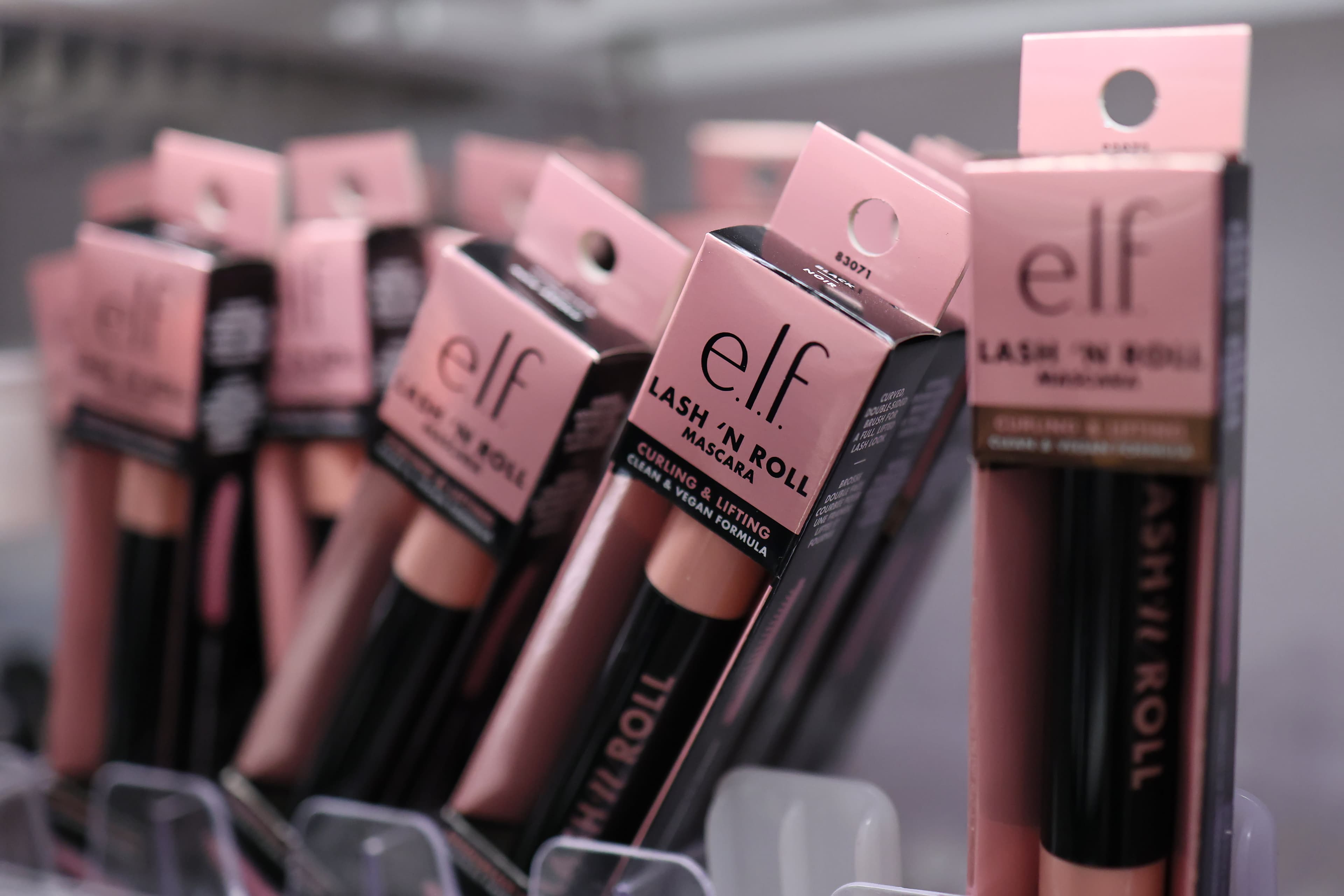
Photo via CNBC Business
E.l.f. Beauty, a major cosmetics retailer, is reconsidering its pricing strategy after implementing tariff-related increases last year. The company had raised prices by approximately $1 per item in August to cushion the financial impact of import duties, but is now walking back portions of those increases as consumer demand shows signs of strain.
According to CNBC Business, the decision reflects broader concerns about purchasing power in the current economic environment. With elevated gas prices and ongoing inflation pressuring household budgets, consumers are becoming more price-sensitive across retail categories, including beauty and personal care products. For Nashville-area retailers and consumer-focused businesses, this signals a potential shift in shopping behavior that could affect foot traffic and sales volumes.
The move highlights a delicate balancing act facing retailers nationwide: maintaining profitability while remaining competitive in a softer consumer market. Companies must weigh the cost of absorbing tariff expenses against the risk of losing customers to competitors or seeing demand decline further. This challenge is particularly acute for discretionary retailers whose products aren't essential purchases.
Nashville business leaders should monitor how major retailers respond to these economic headwinds, as consumer spending patterns in the beauty and retail sectors often foreshadow broader trends. The willingness of established retailers to adjust pricing strategies suggests heightened caution about near-term consumer resilience and confidence in the local and national economy.