Photo via Inc.
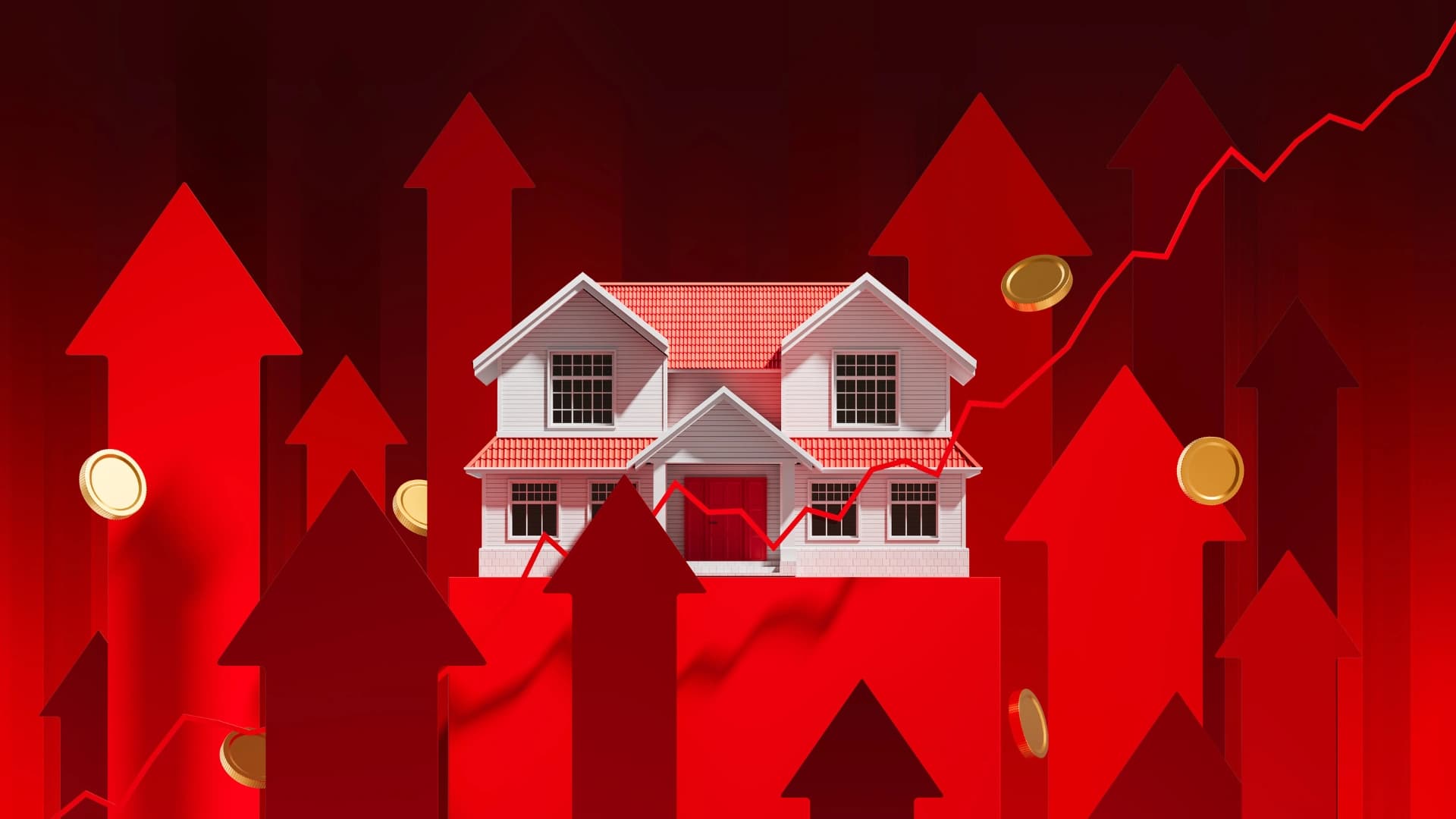
For Nashville-area property owners, the difference between a break-even rental operation and a wealth-building asset often comes down to which metrics receive attention. According to Inc., successful rental business managers have moved beyond simply collecting monthly payments to monitoring indicators that reveal the true financial health of their properties. This shift in perspective can significantly impact long-term profitability, particularly important in Nashville's competitive real estate market.
The foundation of wealth-focused property management begins with understanding cash flow beyond the obvious rental income. Smart operators track expenses relative to revenue, accounting for maintenance, vacancies, property taxes, insurance, and capital improvements. Nashville property managers should establish a systematic approach to monitoring these variables monthly, not just annually, to identify emerging issues before they erode returns. This granular financial awareness enables proactive decision-making rather than reactive crisis management.
Equally important is monitoring tenant quality metrics and turnover costs. High vacancy rates and frequent tenant transitions drain profitability faster than most landlords anticipate. By tracking lease renewal rates, days-to-fill vacant units, and the actual cost of turnover in Nashville's rental market, property owners gain clarity on whether their tenant selection and retention strategies are working. This data-driven approach often reveals opportunities to optimize rental rates, lease terms, or tenant screening processes.
Property managers who succeed in building wealth through real estate also monitor asset appreciation and debt reduction alongside cash flow. These metrics demonstrate how rental properties contribute to net worth beyond annual income. For Nashville investors looking to scale their portfolios or refinance properties, understanding the relationship between current performance and long-term equity growth is essential for making informed decisions about which properties to hold, renovate, or sell.