Photo via Fortune
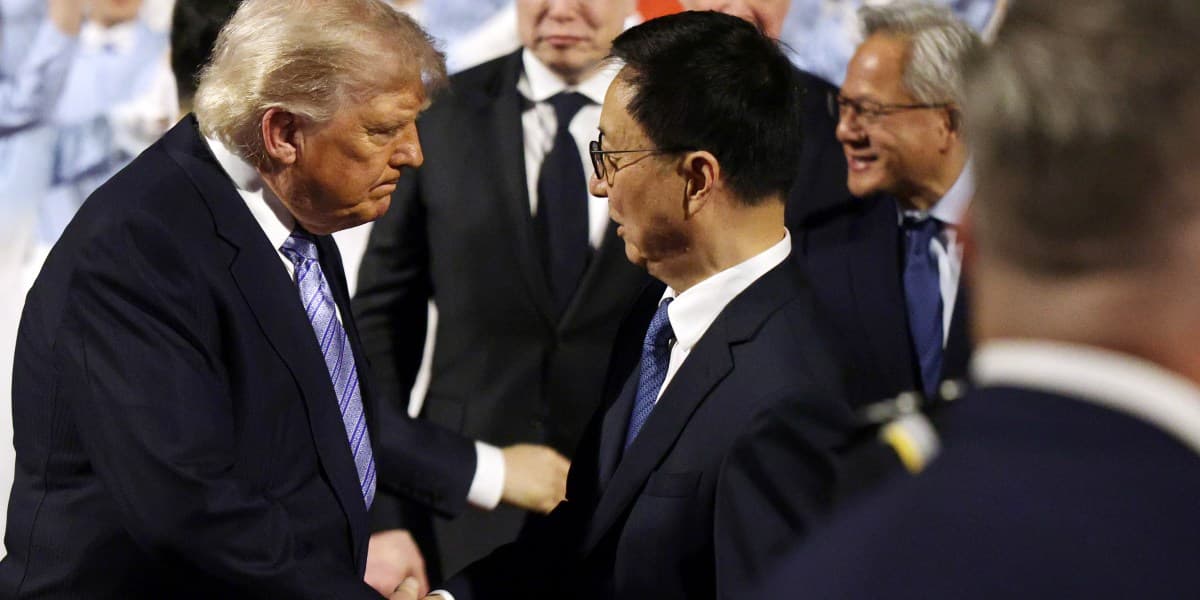
China's aviation market has been off-limits to Boeing since 2017, a gap that represents one of the most significant trade friction points between the two nations. According to Fortune, that standoff may finally be thawing as political and economic winds shift. A potential reopening of Chinese orders—potentially involving 500 aircraft—would mark a major turning point for the aerospace giant and its vast supply chain of manufacturers and logistics partners.
For Nashville-area businesses tied to aerospace manufacturing and logistics, a Boeing-China rapprochement could mean expanded opportunities. The region has quietly developed expertise in aviation components and supply chain management. Any significant uptick in Boeing's production or international delivery operations would likely create downstream demand for precision manufacturing, distribution services, and technical support across the Southeast.
The broader implications speak to how geopolitical tensions directly impact commercial aviation and manufacturing sectors. When nations restrict aircraft purchases for political reasons, it cascades through component suppliers, maintenance providers, and logistics firms that depend on steady aircraft production. A resolution signals confidence in stable international business relationships and long-term demand visibility.
Industry watchers should monitor how negotiations unfold over coming months. The scale of potential orders—500 jets represents years of production activity—underscores how consequential this situation is for the entire aerospace ecosystem, from raw material suppliers to regional distribution hubs.