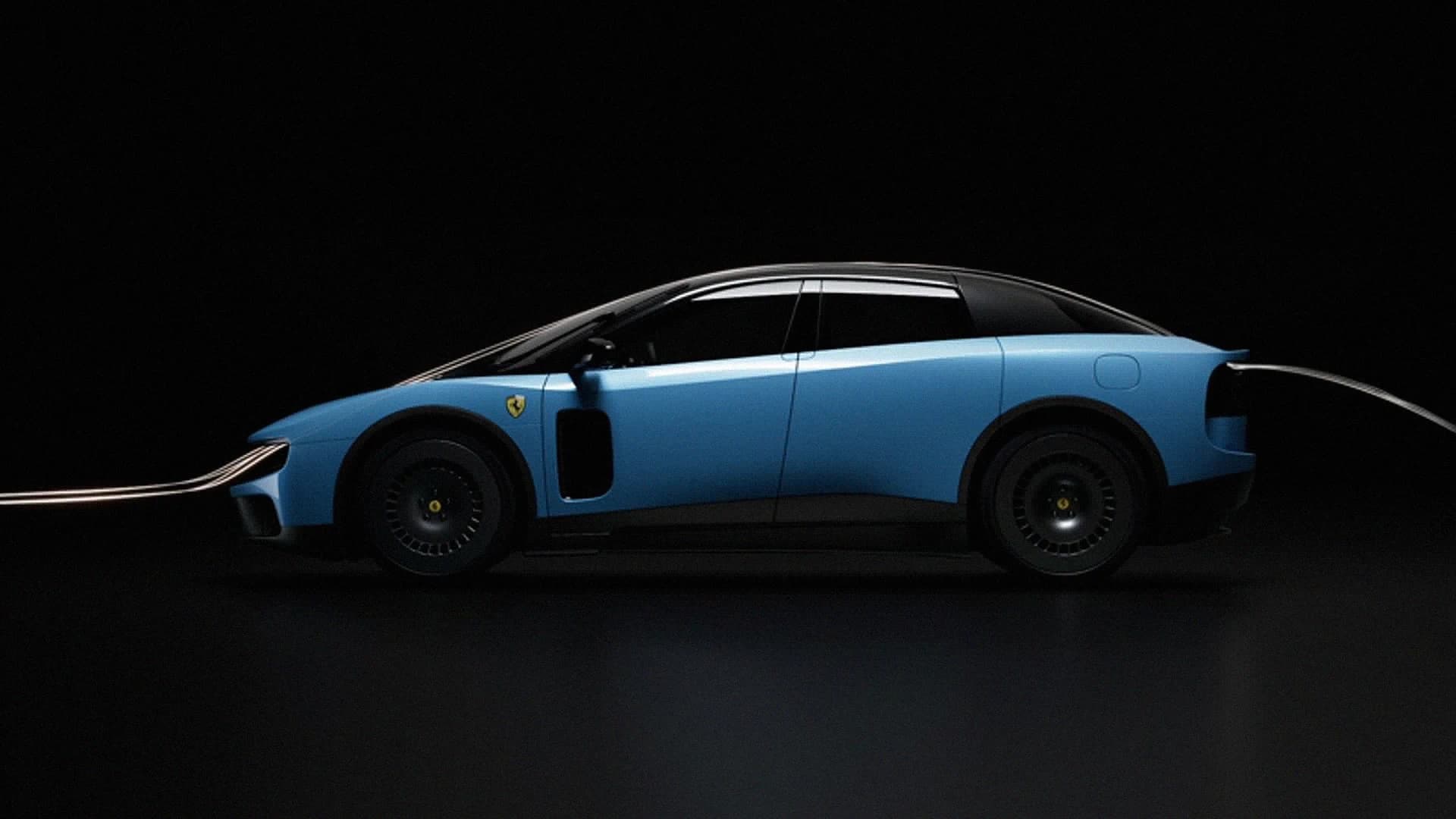
Photo via Inc.
When established brands venture into new territories, they face a critical challenge: staying true to core identity while evolving for future markets. According to Inc., Ferrari's recent EV offering illustrates what happens when product strategy drifts too far from customer expectations. For Nashville-area business leaders managing growth or diversification, this case study highlights the importance of understanding what your brand actually means to your customers before launching new offerings.
The automotive industry's shift toward electric vehicles is inevitable, and luxury brands must adapt or risk obsolescence. However, there's a crucial distinction between innovation and abandonment of brand promise. When customers invest in a Ferrari, they're not simply purchasing transportation—they're buying into a heritage of performance, craftsmanship, and a particular driving experience. Introducing a product that fundamentally changes that promise can alienate the very audience that built the brand's equity.
Nashville's own business ecosystem includes family-owned companies and established local brands that face similar crossroads. Whether in manufacturing, hospitality, or professional services, expanding into new markets requires careful brand alignment. Leaders should ask: Does this new product or service enhance or undermine what customers value most about us? Does it attract a new audience without losing existing loyalty?
The lesson extends beyond automotive companies. Any organization considering significant product expansion or market pivot should conduct honest stakeholder research before committing resources. Understanding the emotional connection customers have to your brand isn't just marketing strategy—it's fundamental business intelligence that protects your company's long-term viability and profitability.