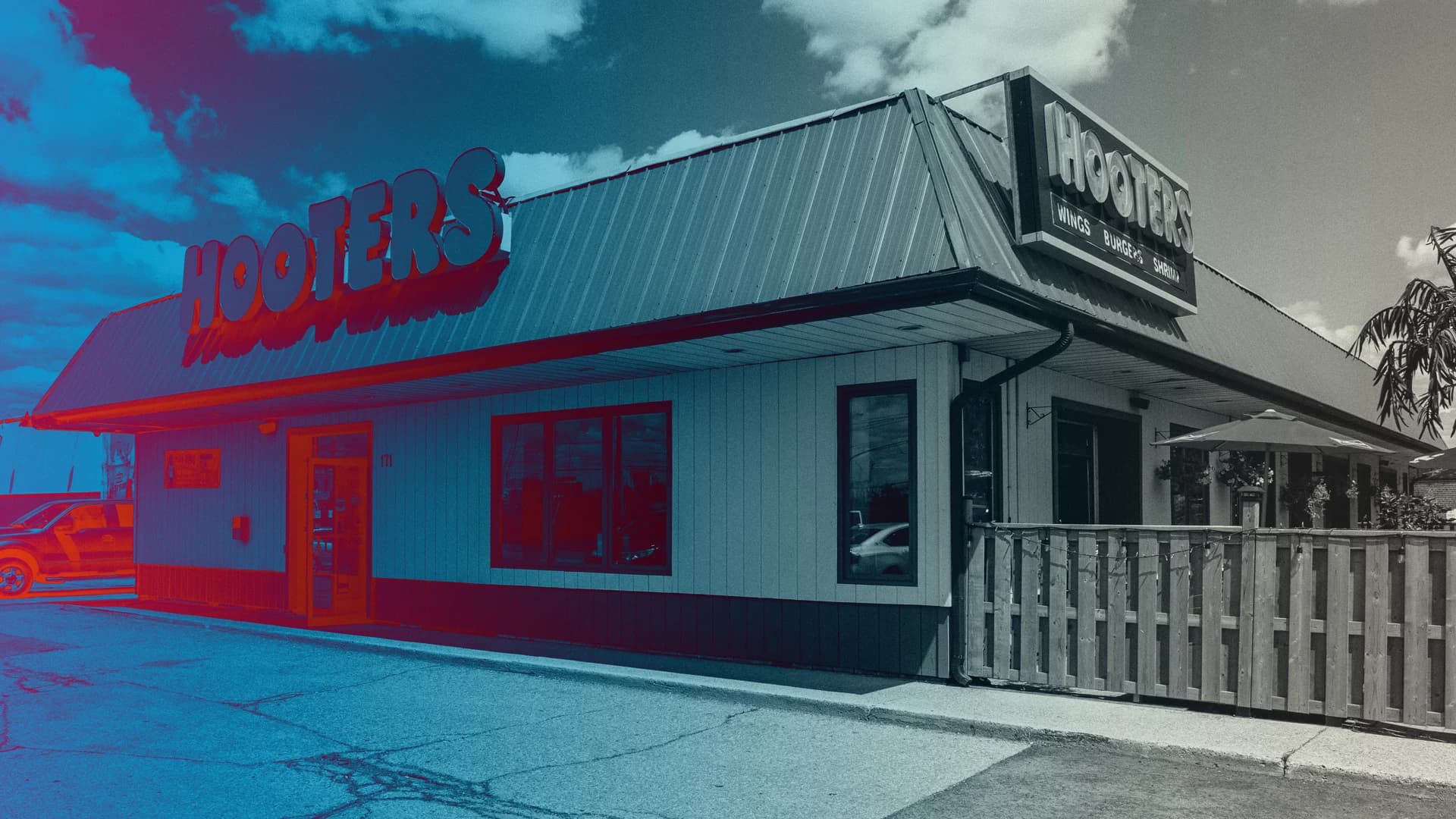
Photo via Inc.
According to Inc., the decline of Hooters offers valuable lessons for entrepreneurs and established business leaders navigating an increasingly complex cultural landscape. The casual dining chain's struggles weren't simply about changing consumer preferences—they reflected a fundamental failure to adapt its brand identity to modern expectations. For Nashville business owners, whether in hospitality, retail, or other consumer-facing sectors, understanding these dynamics is critical to long-term success.
The core issue facing Hooters centered on brand perception and relevance. As societal attitudes shifted regarding workplace culture and marketing approaches, the company's foundational concept became increasingly at odds with contemporary values. Businesses built on a single, narrow appeal often struggle when that appeal loses cultural currency. Nashville entrepreneurs should recognize that sustainable competitive advantage requires flexibility and willingness to evolve core positioning when market conditions demand it.
One crucial mistake that can undermine any modern brand is the failure to recognize when a business model no longer aligns with its customer base's values and expectations. This disconnect proves particularly costly in competitive markets where consumers have abundant alternatives. For Nashville's growing retail and hospitality sectors, staying attuned to shifting demographics and values—especially among younger consumers—isn't optional; it's essential to remaining relevant.
The broader lesson applies across industries: brands that resist meaningful evolution risk becoming relics rather than institutions. This doesn't mean abandoning core identity, but rather thoughtfully adapting how that identity is expressed and delivered. Nashville business leaders should regularly assess whether their brand positioning, marketing approach, and corporate culture reflect not just who they are, but who their customers have become.