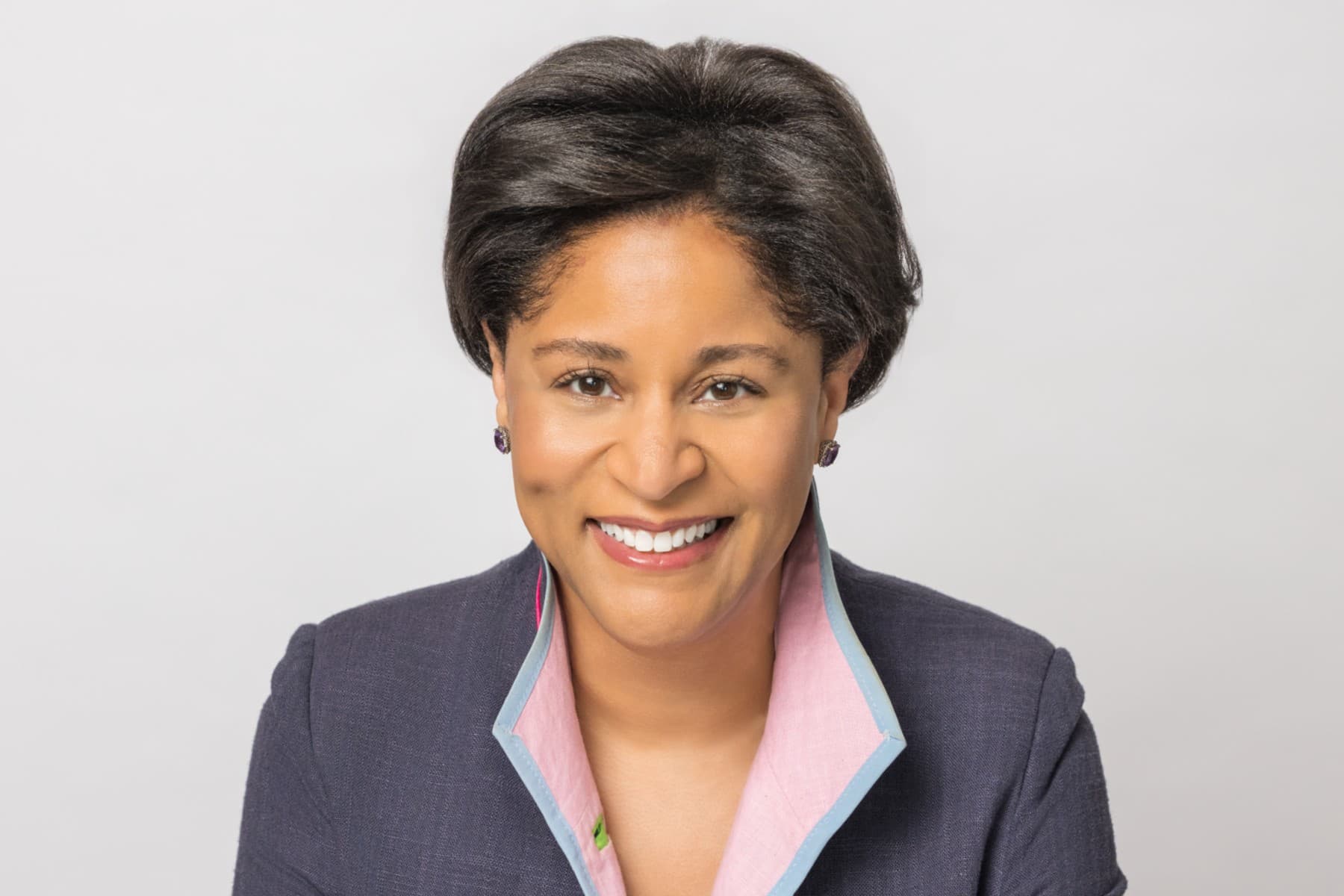
Photo via Fast Company
Most Nashville business leaders focus heavily on the numbers when navigating negotiations, mergers, or partnerships. But according to Britt Ide, an engineer, lawyer, and seasoned board director, this numbers-first approach misses a critical dimension: the human element that can make or break complex business deals. Ide calls this overlooked skill 'bridge building'—the ability to transform tension and competing interests into mutually beneficial outcomes.
In high-stakes situations like acquisitions and founder transitions, the emotional and personal dimensions often matter more than executives realize. For Nashville entrepreneurs who have built companies from the ground up, a business sale is never purely transactional; it represents years of personal investment and identity. When advisors and negotiators focus solely on spreadsheets and financial terms, they frequently miss the underlying concerns driving decision-making. A misplaced comment or perceived disrespect can erode trust faster than economic disagreements, potentially derailing deals that otherwise make financial sense.
Strong bridge builders master four key capabilities: they listen beneath surface positions to uncover deeper interests, they understand how to reallocate value across deals creatively, they remain anchored on end goals rather than winning individual points, and they stay composed during tense moments to redirect rather than react. For Nashville business leaders, developing these skills proves especially valuable when navigating the region's growing startup ecosystem and family-owned business transitions, where emotional stakes run high.
Leaders can start improving immediately by reframing conflict as information rather than obstacles. When negotiations stall, asking clarifying questions instead of making counterarguments slows the pace enough for genuine understanding to emerge. Making everyone's underlying objectives explicit—what each side truly needs versus what they initially ask for—reduces friction and shifts dynamics from adversarial to collaborative. When leaders recognize they're too emotionally invested to remain objective, bringing in a neutral facilitator or mediator demonstrates the strategic maturity that separates successful dealmakers from those who leave value on the table.