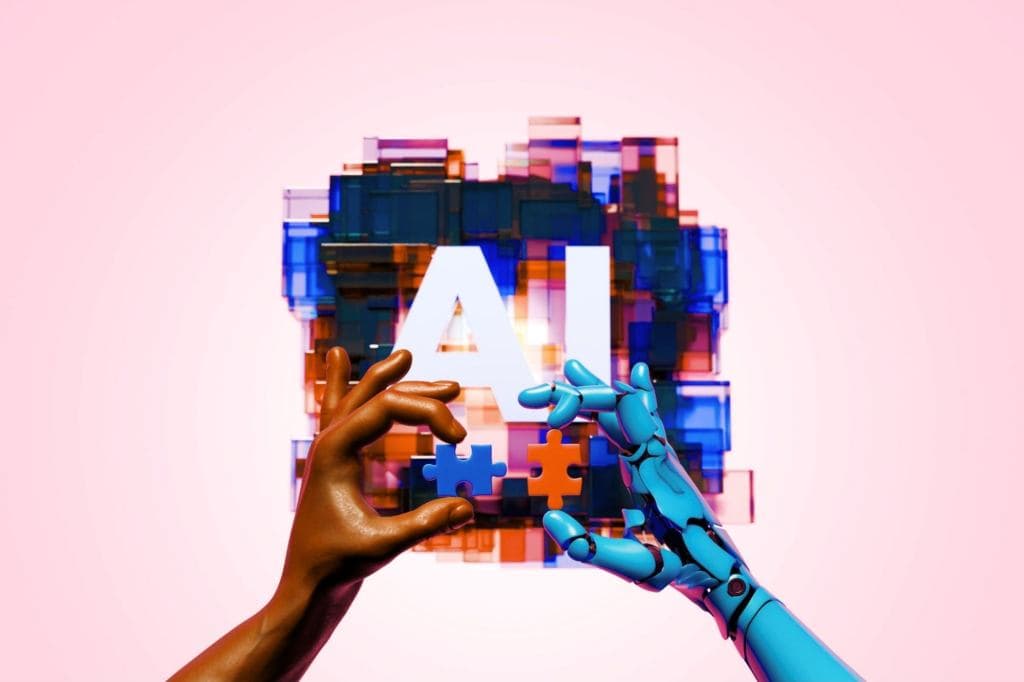
Photo via Entrepreneur
Artificial intelligence adoption remains a top priority for many Nashville-area business leaders, yet a significant disconnect persists between what C-suite executives envision and what their teams actually experience on the ground. According to recent data, this gap between CEO aspirations and employee AI reality threatens to undermine even the most well-funded digital transformation efforts. For Nashville companies competing in an increasingly tech-driven economy, understanding and addressing this misalignment has become critical to maintaining competitive advantage.
The problem isn't that employees resist AI outright—rather, many workers feel unprepared, unsupported, or unclear about how AI tools directly benefit their daily work. When leadership mandates AI adoption without first understanding employee concerns and needs, implementation often stalls. Nashville business leaders must recognize that successful AI integration requires more than executive directives; it demands genuine dialogue with frontline staff about pain points, workflow disruptions, and skill gaps that need addressing.
To close this divide, executives should prioritize three key actions: first, conduct honest assessments of how AI will reshape specific roles and communicate that openly; second, invest in meaningful training and support systems before rolling out new tools; and third, create feedback channels where employees can voice concerns and contribute to how AI gets implemented in their departments. This collaborative approach transforms AI from a top-down threat into a genuine team resource that enhances rather than replaces human capability.
For Nashville's diverse business community—from healthcare and logistics to finance and retail—getting AI adoption right offers significant competitive benefits. Companies that successfully align leadership vision with employee reality will be better positioned to attract talent, improve operational efficiency, and navigate the rapidly evolving technological landscape. The question isn't whether to adopt AI, but how to do it in ways that your team actually supports.