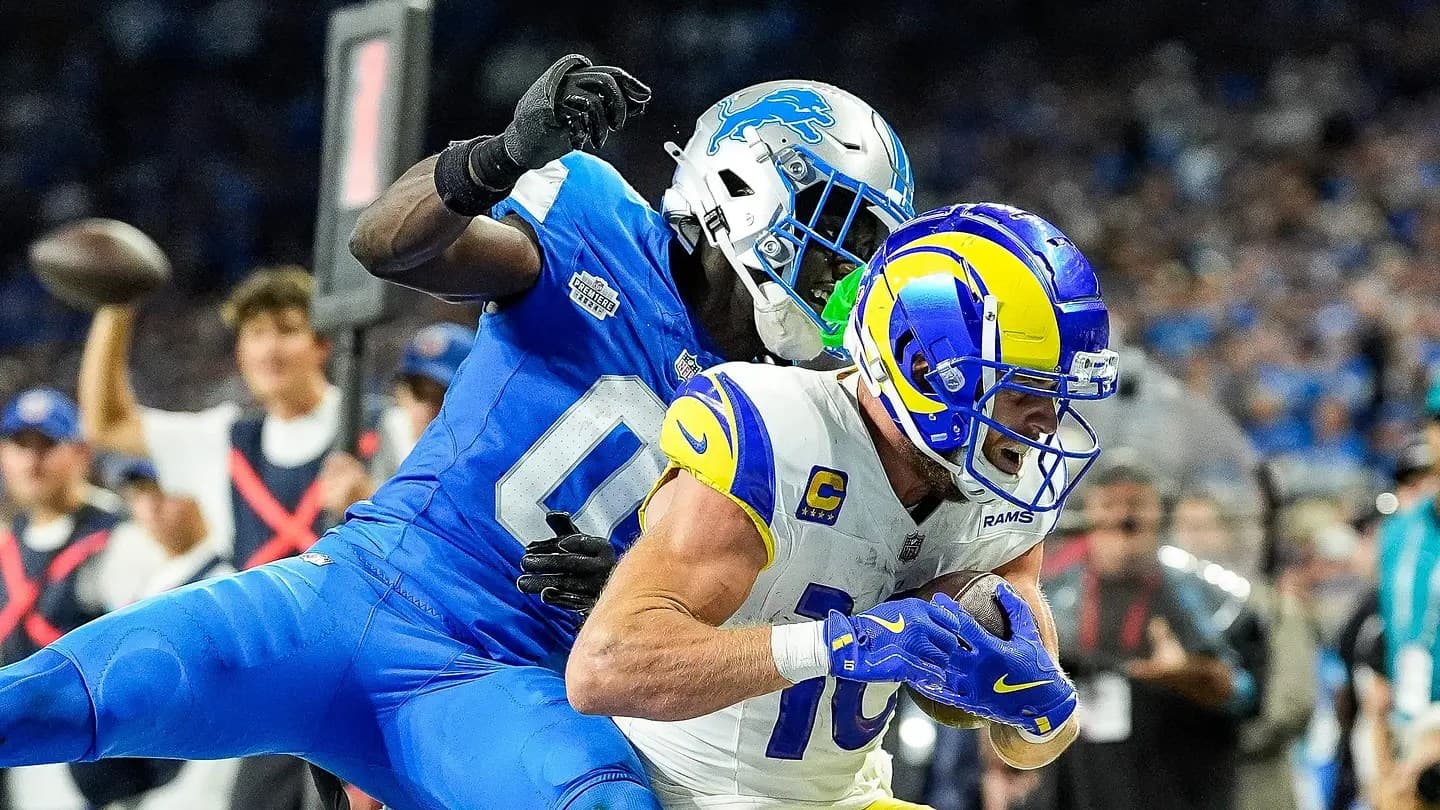
Photo via News Pub
Leadership transitions in sports organizations mirror broader business challenges Nashville employers face when managing talent departures. According to News Pub, Detroit Lions head coach Dan Campbell has responded to cornerback Terrion Arnold's signing with the Seattle Seahawks, demonstrating the professional approach required when skilled team members pursue opportunities elsewhere. The situation illustrates how even high-profile organizational investments—such as Arnold's first-round draft selection—can result in roster changes that test a leader's strategic flexibility.
Arnold's departure represents the complex realities of competitive talent markets, where organizations invest significantly in recruitment and development only to see personnel move to competitors. Campbell's measured response reflects a mature leadership philosophy applicable to Nashville-area businesses managing competitive hiring landscapes. When valued employees transition to regional or national competitors, maintaining professional relationships and organizational morale requires the kind of measured perspective that Campbell has demonstrated.
For Nashville business leaders, Arnold's case underscores the importance of talent retention strategies and succession planning. Whether in sports management, healthcare, technology, or other sectors, organizations must balance employee development with realistic expectations about mobility in competitive markets. Campbell's approach to this personnel change offers a useful model for Nashville executives navigating similar transitions within their own organizations.