Photo via FreightWaves
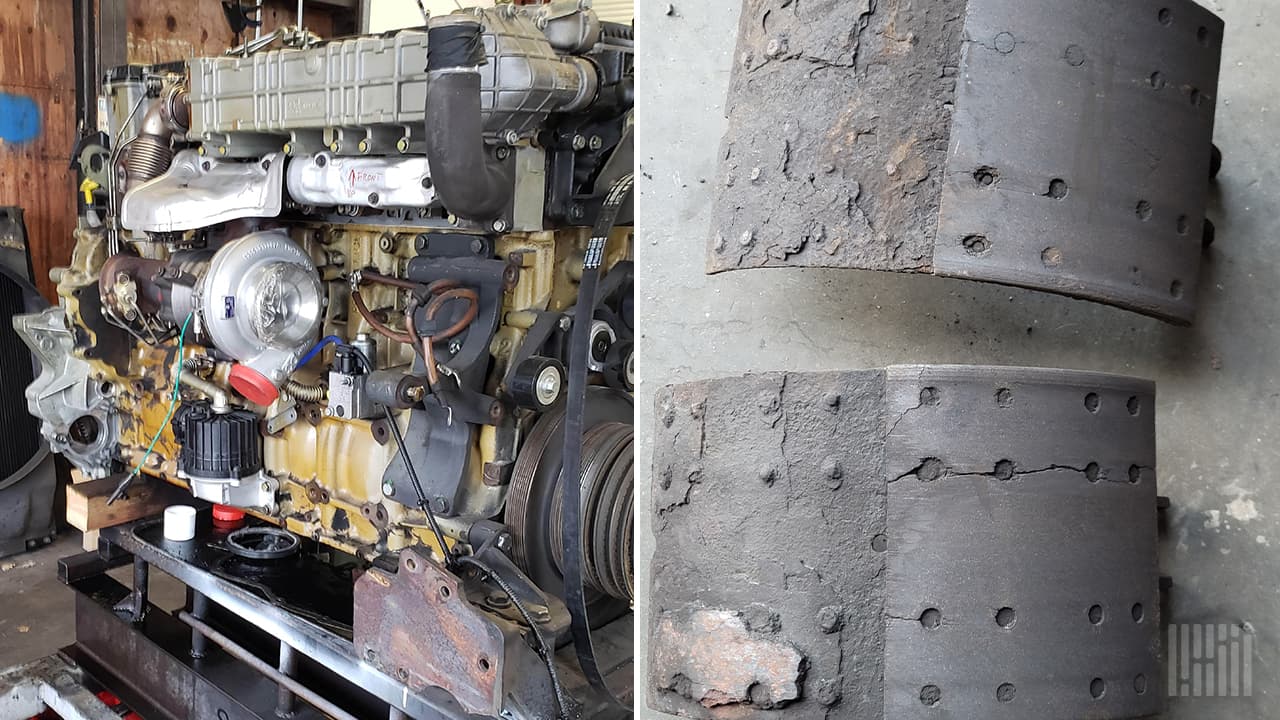
According to FreightWaves analysis, there is a direct correlation between carriers that extend preventive maintenance (PM) intervals and those experiencing elevated rates of critical component failures at roadside inspections. Trucking companies stretching their service schedules beyond recommended intervals show disproportionately high rates of brake system and hub seal failures—two of the most costly and safety-critical maintenance issues in fleet operations.
The data suggests that deferred maintenance practices align closely with violation patterns documented by roadside inspection agencies. Carriers attempting to reduce operational costs through extended maintenance intervals often find themselves facing higher inspection failure rates, regulatory penalties, and unplanned downtime that ultimately exceed the savings generated by the extended schedules.
The findings underscore the economic paradox facing fleet operators: while deferring preventive maintenance appears to reduce short-term costs, the lifecycle costs associated with component failures, regulatory enforcement, and emergency repairs make such strategies counterproductive. Maintaining industry-standard PM intervals remains the most cost-effective approach to fleet longevity and compliance.