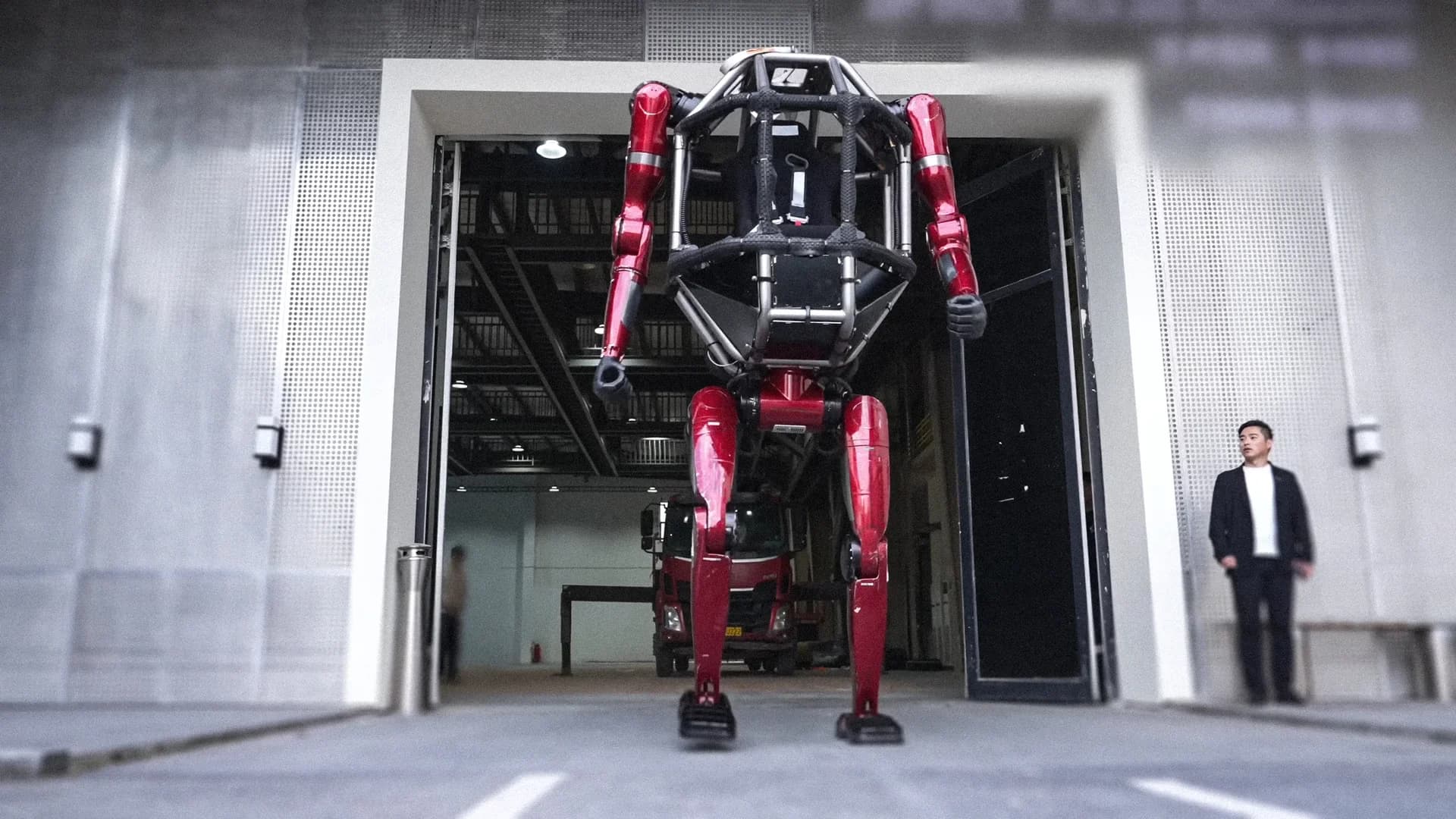
Photo via Inc.
Chinese engineers have unveiled an advanced humanoid robot capable of performing demanding physical tasks, marking a significant milestone in the global race for automation dominance. According to Inc., this development represents more than just a technical achievement—it signals China's strategic push to lead in what experts call the 'physical AI' sector, where robots handle real-world manufacturing and logistics challenges.
For Nashville-area manufacturers and logistics companies, China's robotics advancement underscores a growing competitive landscape. As automation becomes increasingly sophisticated, businesses in Middle Tennessee that rely on traditional labor-intensive processes may face pressure to modernize or risk falling behind competitors who adopt these technologies. The speed of Chinese innovation in this space is outpacing many Western companies' timelines.
The implications extend beyond manufacturing floors. Robotics breakthroughs affect supply chain efficiency, labor economics, and industrial competitiveness across multiple sectors. Nashville's growing logistics hub and established manufacturing base could see disruption as these technologies mature and become more accessible. Companies that proactively evaluate automation opportunities may gain significant operational advantages.
Business leaders in the Nashville region should monitor developments in physical AI as part of long-term strategic planning. Whether through direct adoption or supply chain adjustments, the advancing robotics landscape will likely influence competitive dynamics across industries. Understanding these trends now allows Tennessee businesses to position themselves advantageously in an increasingly automated global economy.