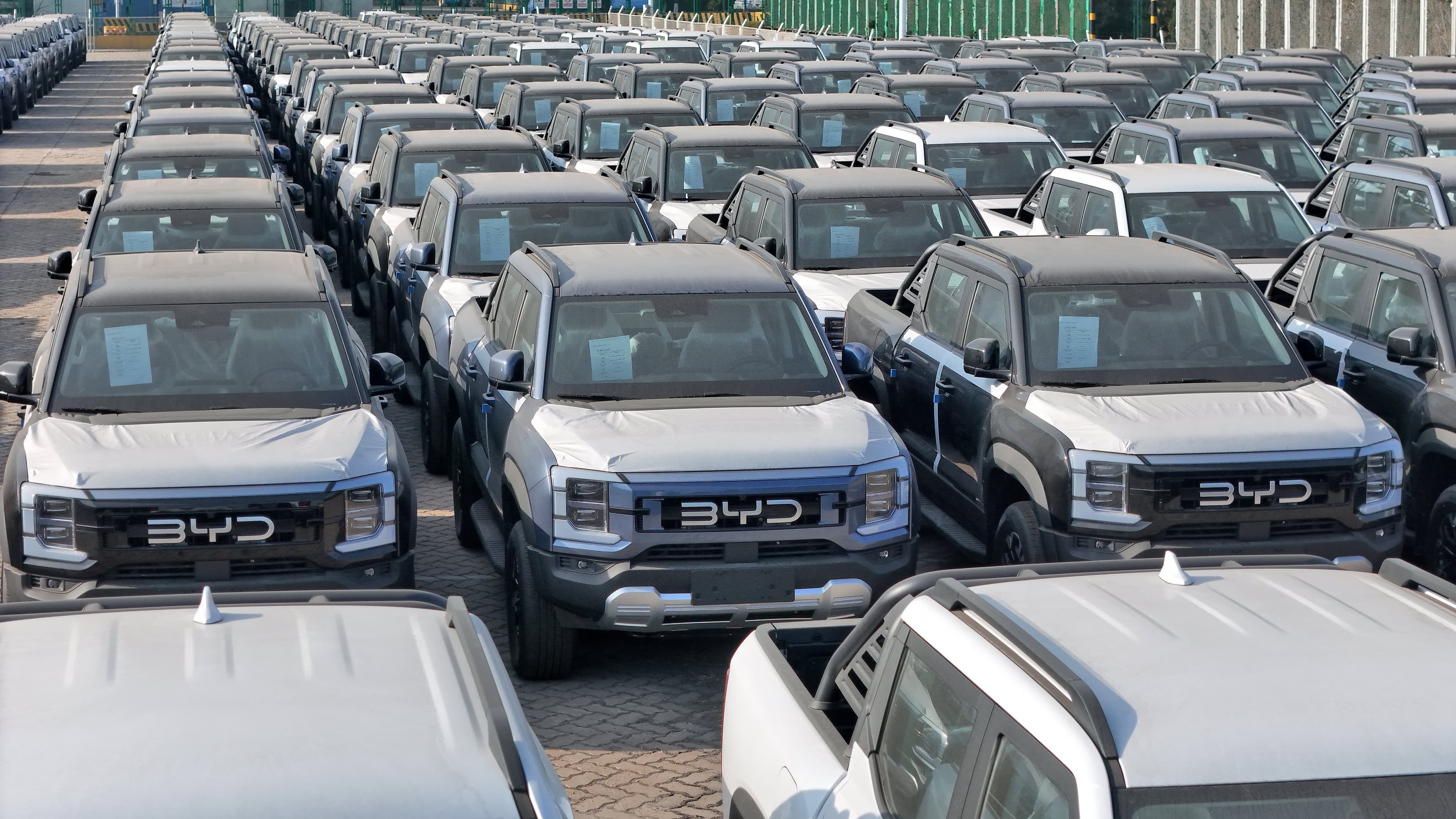
Photo via CNBC Business
Canada has opened its market to Chinese-manufactured electric vehicles, approving up to 49,000 units annually for retail sales at a tariff rate of 6.1%, according to CNBC Business. This policy shift represents a significant development in North American automotive trade and signals growing acceptance of foreign EV manufacturers in the region.
The move comes as Canadian dealers express enthusiasm about accessing Chinese EV brands, which often offer competitive pricing and advanced battery technology. For Nashville-area automotive retailers and supply chain operators, this development underscores the intensifying global competition in the EV sector and the need to monitor tariff structures and import policies that could eventually affect U.S. markets.
Chinese automakers have rapidly gained ground in the global EV race, leveraging substantial investments in battery technology and manufacturing scale. Canada's decision to permit these imports at a relatively modest tariff rate suggests the country is prioritizing consumer access to affordable electric vehicles over domestic industry protection—a strategy that could influence U.S. trade policy discussions.
As the automotive industry transitions toward electrification, regional dealers and logistics providers should track how Chinese EV penetration in Canada affects North American market dynamics. The competitive pressure and pricing models established in Canada could eventually reshape expectations for vehicle costs and technology standards across the United States.