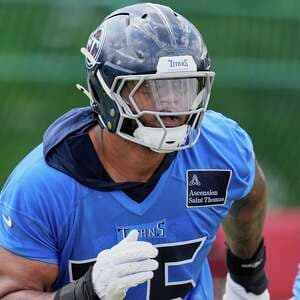
Photo via Mysa
College football is experiencing a fundamental shift in athlete compensation. Name, image, and likeness (NIL) deals now allow student-athletes to earn substantial sums that can exceed what they might make as professional players. According to industry analysis, some college left tackles command compensation packages reaching $4 million—figures that dwarf typical NFL rookie contracts. This transformation raises important questions about the true nature of college athletics and whether these arrangements constitute a form of pay-for-play that bypasses traditional employment structures.
The implications extend directly to Nashville and Tennessee's football landscape. With the Tennessee Titans and Vanderbilt University both prominent in regional sports, local schools and professional teams are navigating how NIL compensation affects recruiting, player retention, and the pipeline between college and professional football. Tennessee-based institutions must compete in this new economic model, potentially diverting resources and attention from traditional athletic development to marketing and endorsement coordination.
For Nashville-area businesses, the NIL phenomenon presents both opportunities and concerns. Local companies may see avenues to sponsor athletes and gain marketing exposure, while questions persist about sustainability, regulatory oversight, and whether these arrangements ultimately benefit student-athletes or primarily enrich boosters and third-party intermediaries. As the landscape continues evolving, regional stakeholders should monitor how NIL policies affect the institutions and teams that shape Nashville's sports economy.