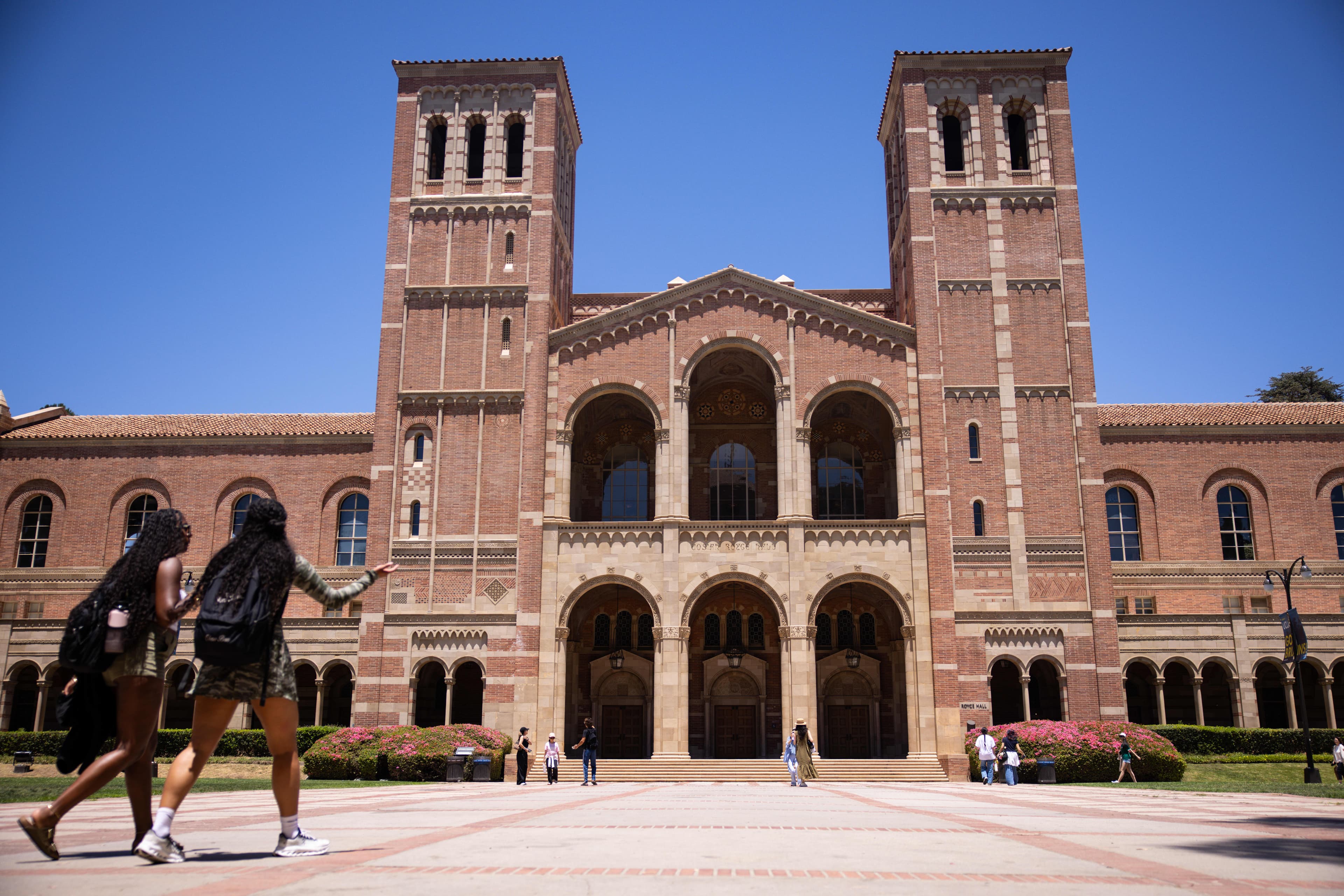
Photo via CNBC
Rising tuition and expenses have pushed the annual cost of college attendance to $100,000 or more at some institutions, creating substantial financial pressure on families across the income spectrum. According to CNBC, the escalating expense of higher education is forcing households to explore multiple funding sources to make college financially feasible for their students.
Faced with these mounting costs, families are turning to a combination of federal grants, private loans, and institutional aid packages to cover the gap between what they can afford and the total cost of attendance. The reliance on external financial assistance has become a critical component of college affordability planning for many households, reshaping how families approach education financing decisions.
The trend underscores broader concerns about college affordability and accessibility, as students and parents navigate an increasingly complex landscape of funding options ranging from federal student loans to private financing alternatives. Educational institutions and policymakers continue to grapple with ways to address the affordability crisis while ensuring access to higher education remains viable for middle- and lower-income families.