Photo via WPLN Nashville NPR
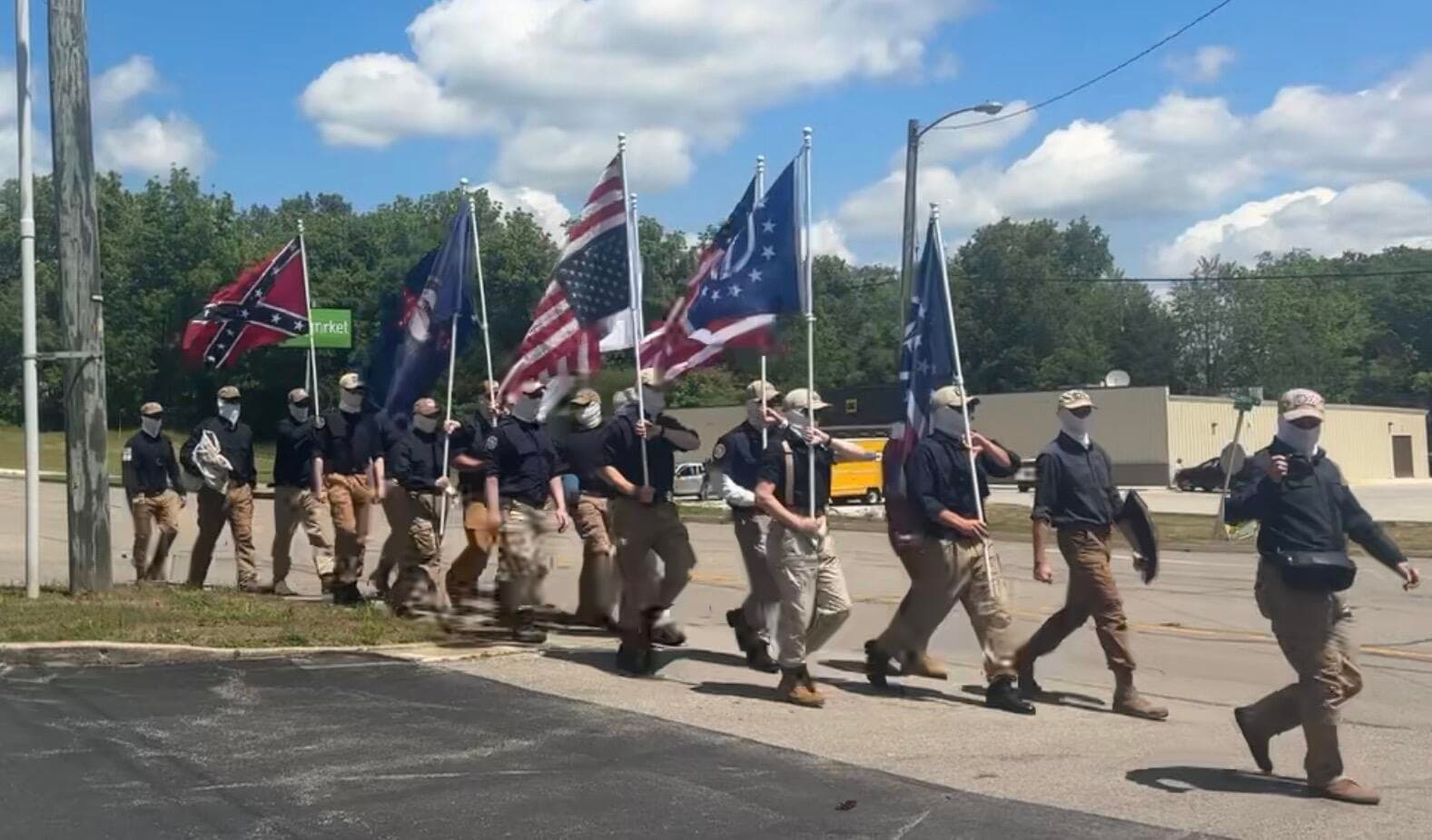
Small towns across the region, including Bowling Green and Munfordville in Kentucky, have experienced unexpected rallies by members of Patriot Front, a white nationalist organization. These demonstrations underscore an emerging challenge for community leaders and business owners across the Southeast who may find themselves navigating similar situations. Understanding the nature of these groups and their evolving tactics is increasingly important for regional stakeholders.
According to analysis from Western Kentucky University, Patriot Front represents an evolution in hate speech messaging that differs from more overt hate groups. The organization's approach—including masked appearances and carefully curated public displays—reflects a calculated strategy to mainstream messaging while maintaining plausible deniability. This sophisticated approach presents distinct challenges for communities attempting to respond appropriately.
For Nashville-area business leaders and community organizations, the incidents in nearby Kentucky serve as a case study in preparedness. Questions of how to balance free speech protections with community safety, how to coordinate with law enforcement, and how to counter divisive messaging through positive community engagement have become practical concerns for chambers of commerce, municipal governments, and civic institutions across the region.
As communities grapple with these challenges, experts emphasize the importance of coordinated response strategies that involve local government, business leadership, law enforcement, and community organizations. Developing clear protocols, maintaining open communication channels, and focusing on inclusive community-building efforts have proven effective in other regions facing similar pressures.