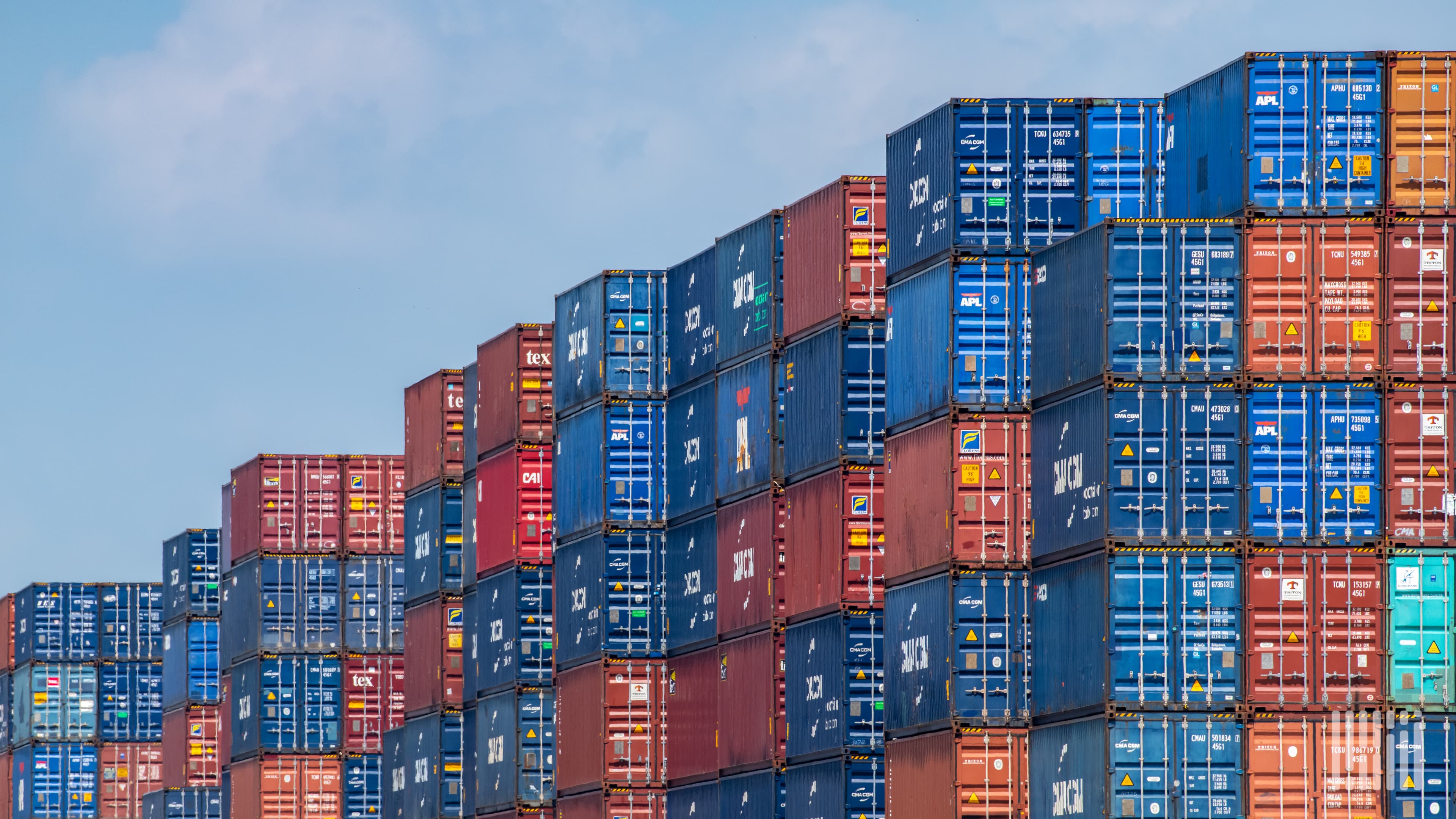
Photo via FreightWaves
As global trade continues to demonstrate resilience and expand beyond expectations, the shipping industry faces an increasingly complex problem: the proliferation of empty containers moving across international trade routes. According to FreightWaves, this 'container imbalance' has become a notable concern for logistics operators, affecting the efficiency of supply chains and adding costs to an already strained system.
The issue stems from the asymmetrical nature of global trade flows, where containers shipped in one direction often return empty to their origins. Major trading imbalances between regions—such as high exports from Asia to North America alongside lower return shipments—create repositioning challenges that ripple through the entire logistics ecosystem. Shippers and carriers must absorb the cost of moving these empty units, effectively raising transportation expenses for goods that move in the higher-demand direction.
Industry stakeholders are increasingly focused on solutions to optimize container utilization and reduce the environmental footprint of empty repositioning. As trade volumes show no signs of retreating, addressing the container imbalance problem will remain critical for maintaining competitive shipping rates and sustainable global commerce.