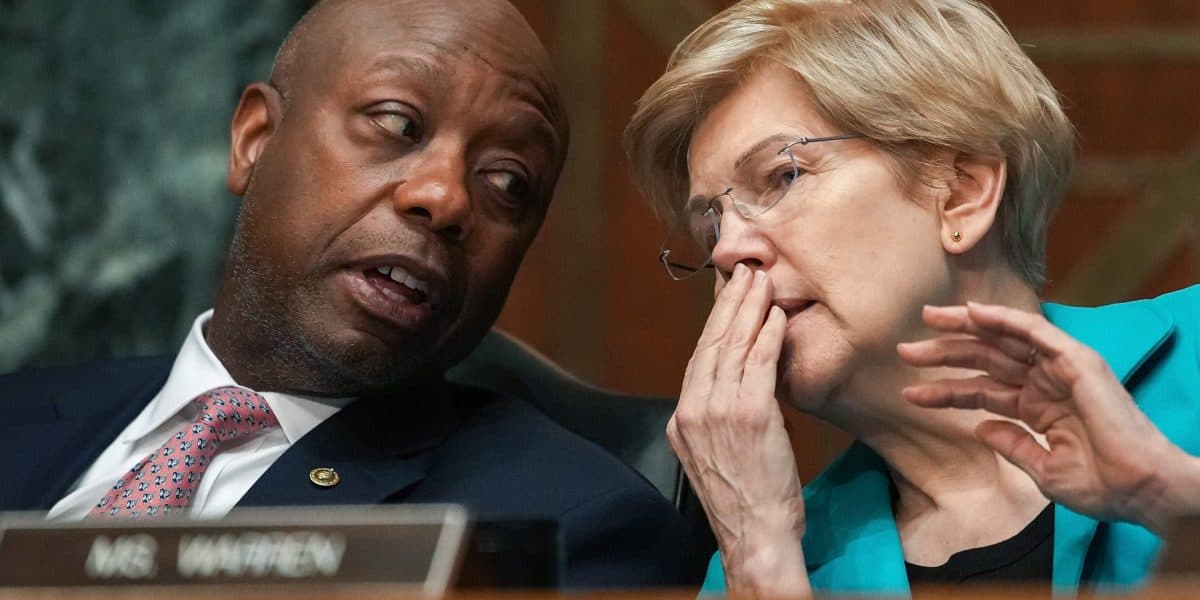
Photo via Fortune
The cryptocurrency industry is watching closely as the Senate Banking Committee moves forward with markup on the Clarity Act, legislation designed to establish clearer federal rules for digital assets. According to Fortune, the committee has reached agreement on how stablecoin yield will be regulated, marking tangible progress on one of the bill's most contentious provisions. For Nashville's growing financial services sector, this development signals that regulatory certainty may finally be within reach after years of uncertainty.
Stablecoins—cryptocurrencies pegged to traditional currencies like the U.S. dollar—have become increasingly important in digital finance, but their yield-generating mechanisms have drawn scrutiny from regulators concerned about consumer protection. The committee's agreement on how these yields will be treated represents a compromise between crypto industry advocates seeking innovation flexibility and regulators demanding safeguards. This middle-ground approach could benefit Nashville-area fintech startups and traditional banks exploring digital asset integration.
However, the path forward remains complicated by unresolved ethics issues within the committee itself. According to the Fortune report, conflicts of interest involving committee members and their financial ties to cryptocurrency companies threaten to undermine the legislation's credibility. These ethical questions must be resolved before the bill can advance to a full Senate vote, creating uncertainty about whether the industry will achieve the regulatory framework it has been seeking.
For Nashville's business community—particularly financial institutions and technology companies considering cryptocurrency integration—the Clarity Act's fate carries real implications. Clear federal guidelines could lower compliance costs and reduce legal risks for companies exploring blockchain technology and digital assets. As the Senate continues its markup process, local business leaders should monitor these developments closely, as federal crypto regulation will likely influence investment decisions and business strategy across multiple industries.