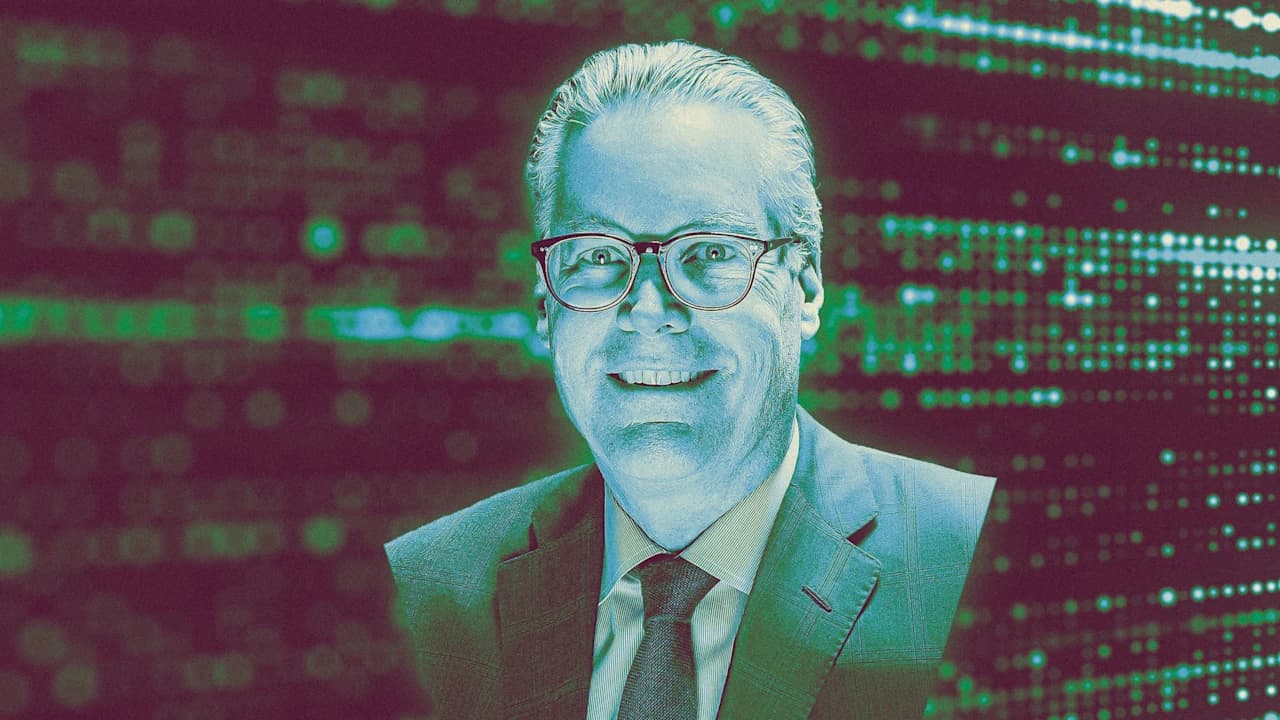
Photo via Fast Company
During a recent commencement address at Emory University in Atlanta, Delta Air Lines CEO Ed Bastian shared a revealing experiment with graduates: he had asked artificial intelligence to draft his speech. While impressed by the tool's speed and efficiency, Bastian ultimately discarded the AI version entirely. According to Fast Company, the CEO told the 5,000-member graduating class that the algorithm-generated text lacked soul, warmth, and his personal voice—elements essential to connecting with an audience.
Bastian's decision to scrap the AI draft and write by hand instead resonates particularly well with young professionals entering a job market fundamentally transformed by artificial intelligence. His remarks stood in stark contrast to other recent commencement speakers who have enthusiastically championed AI as the inevitable future, earning booing from skeptical audiences. The Delta CEO's nuanced approach—acknowledging AI's capabilities while recognizing its limitations—earned him applause from graduates grappling with how to navigate a technology-driven workplace.
The commencement address highlights a critical distinction for Nashville-area business leaders: efficiency and authenticity are not always compatible. Bastian, who has led Delta since 2016 and overseen the company's growth to a $46 billion market capitalization, emphasized that taking shortcuts rarely yields lasting results. His counsel to graduates centered on building personal brand and reputation—assets that cannot be outsourced or automated. 'Your good name is what you stand for,' he told students, 'and only you can take it away.'
For executives managing digital transformation in their own organizations, Bastian's commencement remarks offer pragmatic guidance: embrace technological tools for their productivity gains, but guard against allowing them to erode the human elements—trust, judgment, and accountability—that define effective leadership. His willingness to admit AI's shortcomings while acknowledging its potential demonstrates the balanced perspective many Nashville business leaders are seeking as they chart their own AI strategies.