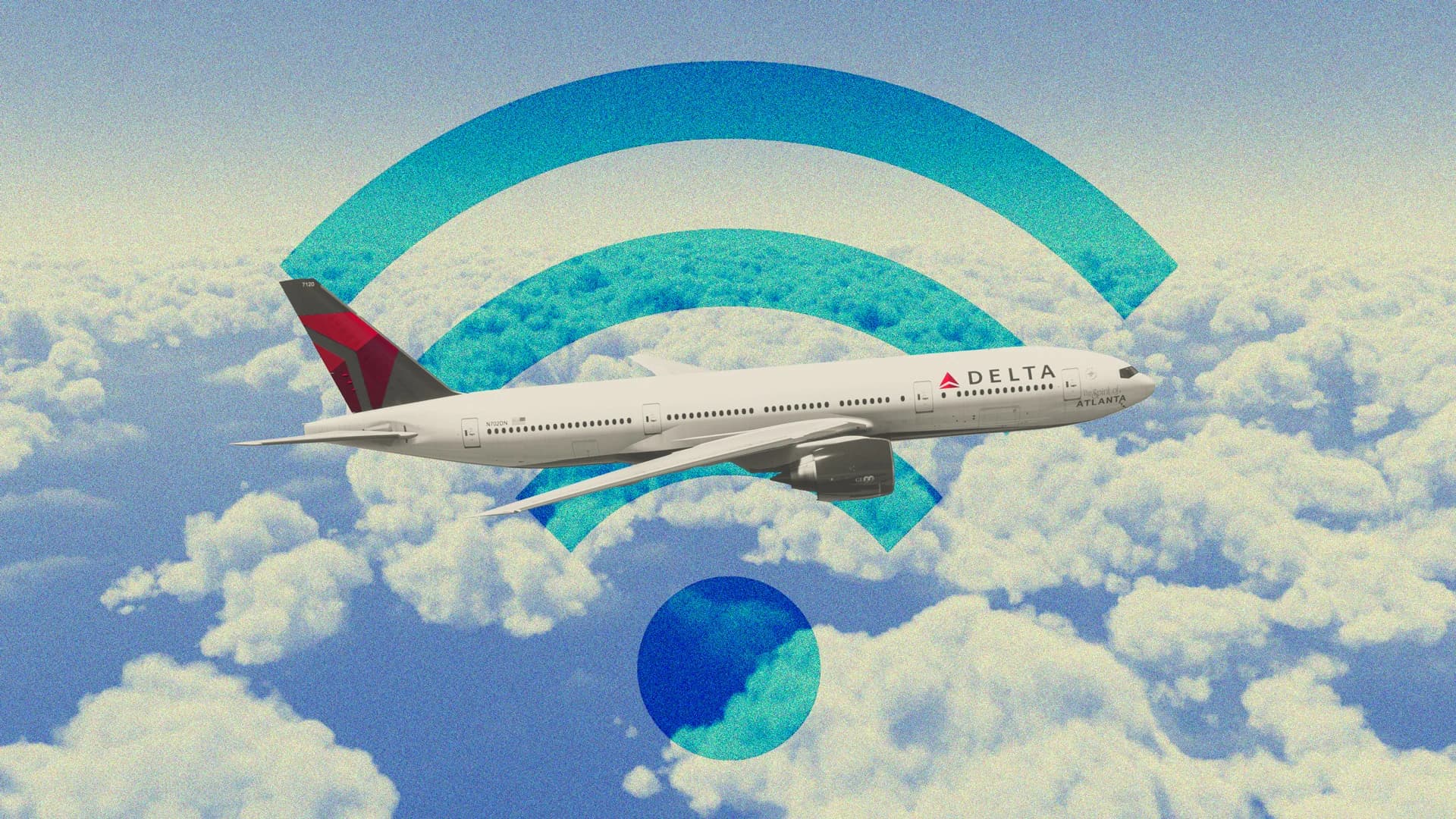
Photo via Inc.
Delta Air Lines' recent partnership with Amazon for in-flight connectivity demonstrates a critical tension in modern business strategy: what makes financial sense on a balance sheet doesn't always align with customer expectations. According to Inc., the airline had the opportunity to implement what could have been industry-leading Wi-Fi technology but instead opted for a solution that prioritizes cost efficiency and corporate synergy over passenger experience.
For Nashville business travelers who frequently fly Delta, this decision has tangible implications. The choice reflects a broader corporate strategy where partnerships with tech giants like Amazon take precedence over investing in best-in-class amenities. This approach may boost short-term profitability and shareholder returns, but it raises questions about long-term competitive positioning in an industry where passenger satisfaction directly influences loyalty and premium fare willingness.
The Delta-Amazon arrangement illustrates how companies sometimes frame partnerships as win-win scenarios when they primarily benefit the bottom line. Business leaders in Nashville's growing aviation and logistics sectors should take note of how such decisions can inadvertently signal to customers that cost-cutting matters more than their comfort—a message that can damage brand positioning, particularly among business-class travelers who have alternative options.
As Nashville continues to develop as a regional business hub, companies here should consider whether similar short-term financial optimization might undermine their competitive advantages. The Delta case study suggests that the most successful enterprises balance shareholder interests with genuine customer value creation, rather than choosing one exclusively over the other.