Photo via Fast Company
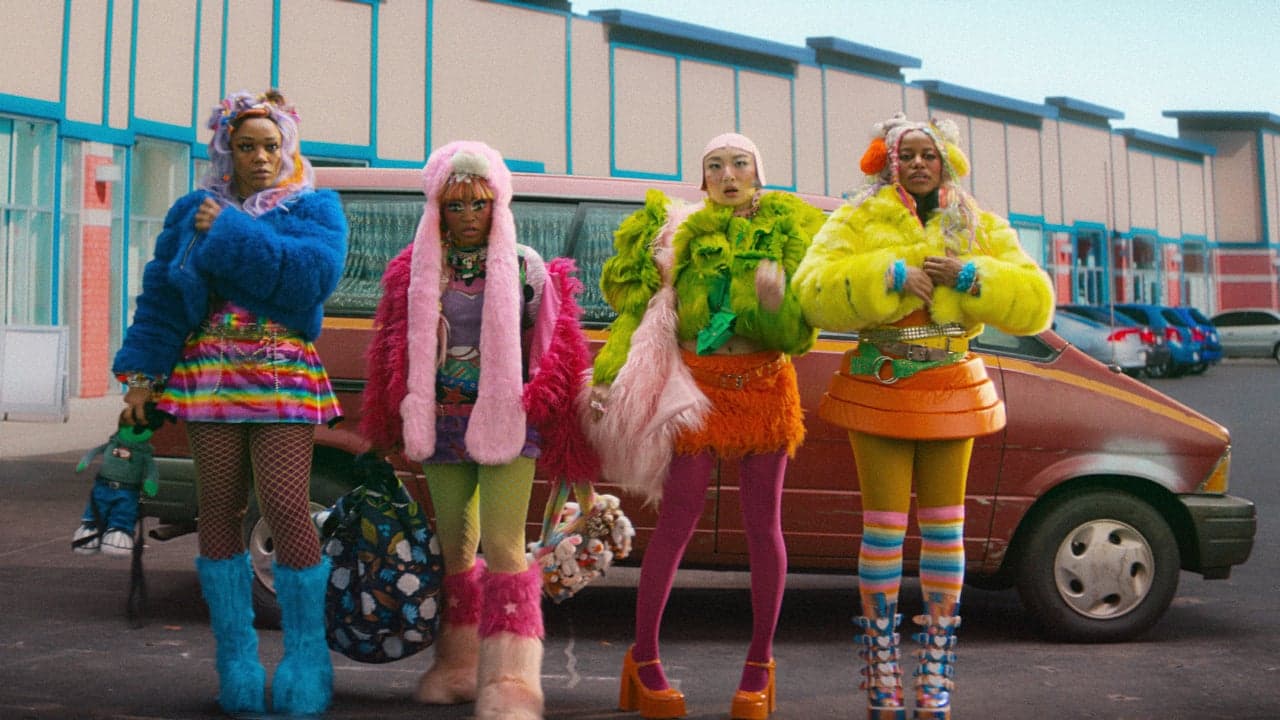
In an era when major Hollywood productions increasingly rely on desaturated color palettes and muted aesthetics, costume designer Shirley Kurata chose a radically different approach for the film 'I Love Boosters.' Her work demonstrates a crucial business lesson: visual identity and strategic branding can differentiate any product—whether a movie, retail experience, or service. According to Fast Company, Kurata collaborated meticulously with production designers to ensure each environment in the film had its own distinct chromatic world, treating color as a primary storytelling tool rather than an afterthought.
The backlash against Hollywood's gray-toned aesthetic reveals consumer hunger for authenticity and visual distinction. Major franchises like the Marvel Cinematic Universe have faced sustained criticism for flat, uninspired color grading, while even Disney's upcoming 'Moana' remake drew social media complaints about losing the vibrancy of its source material. For Nashville-area retailers and service providers, this trend underscores the importance of creating memorable visual experiences that stand out in crowded markets. Kurata's approach—using paint samples, costume tests, and cross-departmental collaboration—mirrors best practices in retail environment design and brand consistency.
Beyond aesthetics, Kurata aligned her production work with the film's anti-capitalist message about fashion industry ethics. She partnered with the Savannah College of Art and Design to feature student designs in a climactic fashion show sequence, supporting emerging talent while addressing real concerns about fast fashion, worker treatment, and industry waste. This strategy of embedding social values into creative work offers Nashville businesses a framework for purpose-driven operations that resonate with conscious consumers and build brand loyalty.
The lesson extends beyond film: organizations that invest in distinctive visual identity, cross-functional collaboration, and values-aligned practices create stronger competitive advantages. Whether in retail, design, or any service industry, Kurata's meticulous attention to color coordination and ethical production suggests that the most compelling brands are those that refuse to blend into the gray.