Photo via FreightWaves
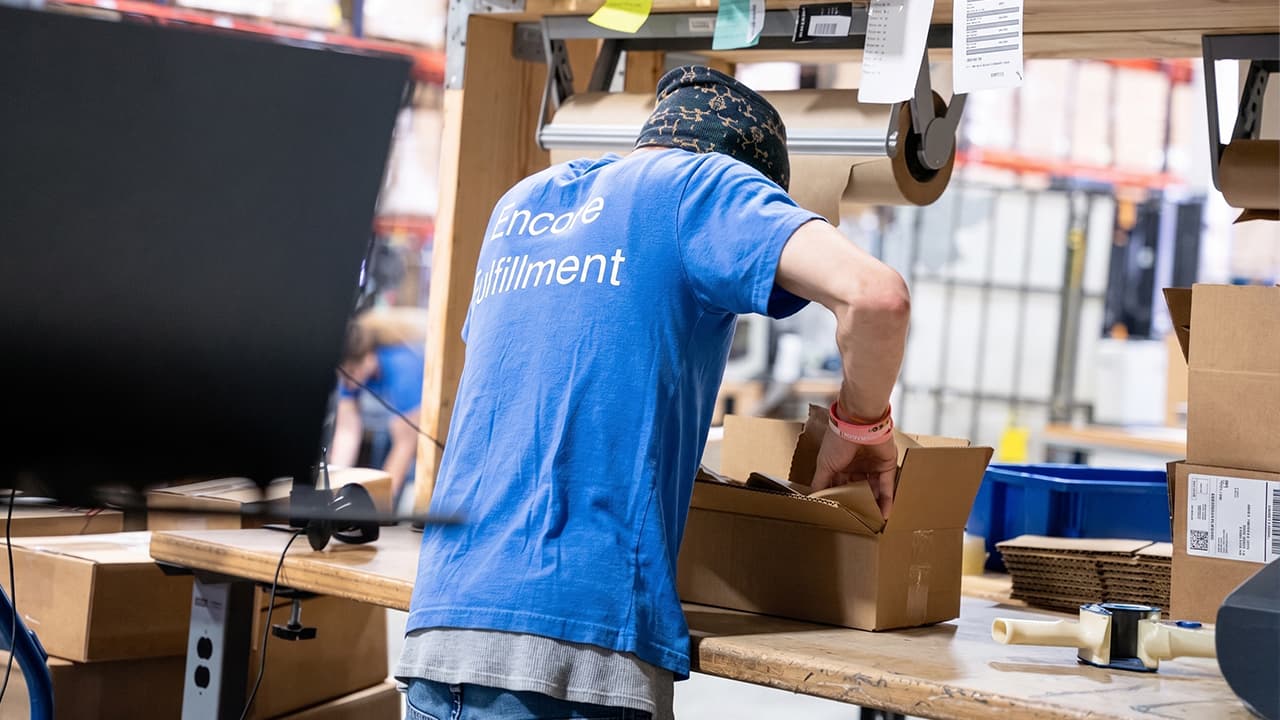
The e-commerce logistics landscape continues to shift as major fulfillment providers expand their operational footprint. According to FreightWaves, two logistics companies have recently opened new warehouse facilities in Texas and Oklahoma, reflecting a broader strategy to position inventory closer to customers in high-growth markets.
This expansion underscores a critical trend reshaping supply chain strategy: the move away from centralized mega-warehouses toward geographically distributed networks. By establishing facilities in the Great Plains corridor, these providers can reduce last-mile delivery times and costs—a competitive advantage increasingly valued by online retailers navigating tighter margins and customer expectations for faster shipping.
For Nashville-area businesses engaged in e-commerce or supply chain operations, these developments highlight the importance of understanding regional logistics infrastructure. Companies shipping products nationally may benefit from partnerships with providers offering multi-state coverage and optimized distribution networks that reach beyond traditional hub cities.
The expansion also reflects renewed competition among logistics providers to capture market share in underserved regions. As consumer demand for rapid delivery remains high, providers investing in capacity now position themselves to serve emerging fulfillment needs across the South and Midwest—markets where Nashville-based companies increasingly maintain operational interests.