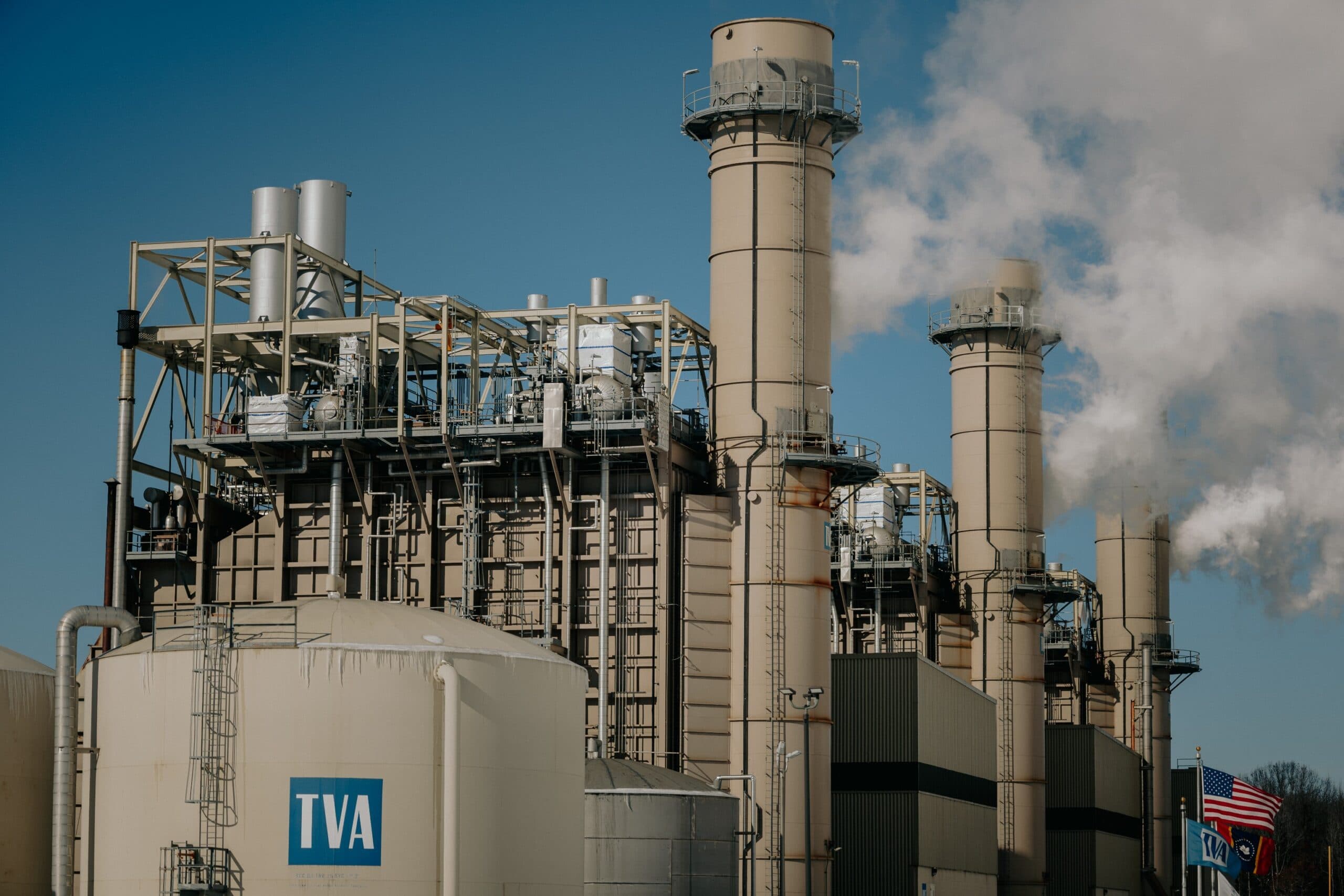
According to OilPrice, Europe's nuclear energy infrastructure is under mounting pressure as a succession of extreme heatwaves and unprecedented drought conditions have left key cooling water sources severely depleted. With river levels reaching historic lows, several nuclear facilities have been forced to reduce output or temporarily shut down, creating a critical bottleneck in the region's energy supply chain at a time of peak summer demand.
Governments throughout Europe have implemented emergency protocols to maintain nuclear operations, though many interventions have proven insufficient against the scale of the environmental crisis. The compounding effects of five major heatwaves, extended drought periods, and widespread wildfires have created conditions that conventional cooling systems were not designed to withstand, leaving policymakers scrambling for alternatives.
Economists warn that disruptions to nuclear generation capacity could inflict substantial damage to Europe's economy, with projected losses measured in billions of euros. The crisis underscores the vulnerability of thermal power plants—whether nuclear or fossil-fueled—to climate-driven hydrological stress and raises urgent questions about the resilience of the continent's energy infrastructure in an era of intensifying weather extremes.