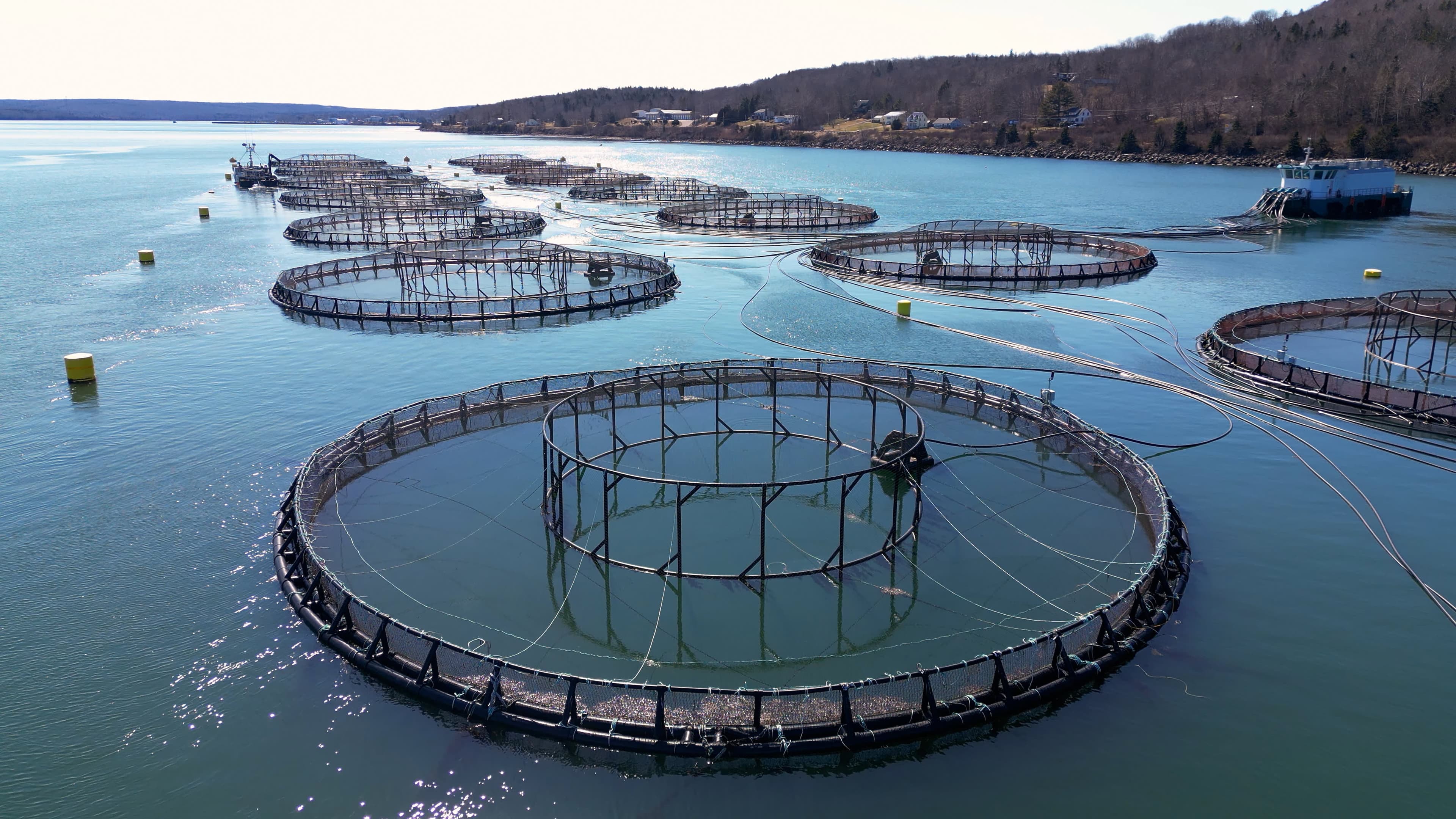
Photo via CNBC Business
As artificial intelligence reshapes investment landscapes across tech and innovation sectors, a notable trend is emerging among family offices: a strategic pivot toward established, lower-tech enterprises. According to CNBC Business, family investors are deliberately moving capital into resilient old-economy businesses such as automotive dealerships and commercial fisheries—sectors less vulnerable to technological disruption.
The appeal of these traditional industries lies in their proven revenue models and consistent cash generation capabilities. Unlike high-growth startups dependent on emerging technologies, dealerships and fisheries provide tangible assets, predictable customer bases, and established supply chains. For family offices managing multi-generational wealth, this stability offers a compelling counterbalance to exposure in volatile tech markets.
Nashville-area investors should note this broader shift reflects growing caution among sophisticated wealth managers regarding AI's unpredictable impact on various economic sectors. Family offices—which typically manage assets exceeding $100 million—are essentially voting with their capital that diversification into defensive, cash-generating businesses remains prudent risk management, even as venture capital continues chasing transformative technologies.
This investment philosophy underscores an important lesson for regional business leaders: sustainable growth and shareholder returns need not depend on cutting-edge innovation. Companies in mature industries with strong operational fundamentals and loyal customer bases continue to attract serious capital, particularly from investors prioritizing long-term wealth preservation over spectacular but uncertain returns.