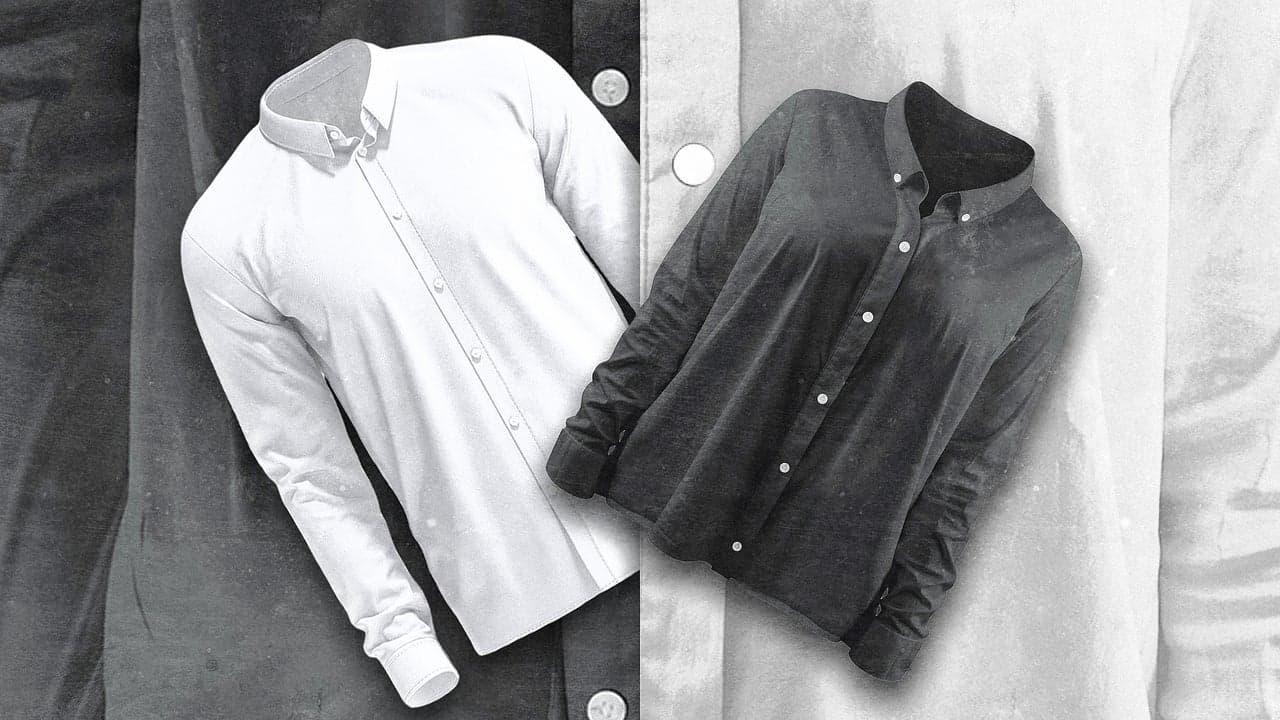
Photo via Fast Company
Next time you're shopping for a blazer or button-up shirt, take a closer look at which side the fasteners are on. That small design detail carries centuries of history. According to fashion researchers at Mississippi State University, the placement of buttons and zippers in men's and women's clothing stems from practical needs in European nobility—wealthy women required help dressing and needed fastenings positioned for a right-handed servant facing them, while men dressed themselves and preferred right-side closures. Understanding these origins helps Nashville retailers and manufacturers recognize that even minor design choices tell a story about consumer behavior and market evolution.
The industrial revolution cemented these gendered design patterns. Once factories began mass-producing clothing in the early 19th century, manufacturers prioritized standardization and efficiency over innovation. Rather than rethinking fastener placement, clothing companies simply replicated existing button patterns when zippers emerged in the early 1900s. For Nashville-area apparel manufacturers and suppliers, this case study demonstrates how operational convenience can lock in design conventions for over a century—a lesson relevant to any business considering process standardization versus market differentiation.
Today's retail landscape is shifting. More brands now offer unisex and gender-neutral clothing lines that ignore the traditional left-side/right-side rule entirely. This trend reflects broader consumer demands for flexibility, inclusivity, and authenticity. Nashville retailers stocking contemporary apparel should recognize that younger consumers increasingly expect choice beyond binary gender categories, and manufacturers who embrace design freedom gain competitive advantage in a modernizing market.
For business leaders in Nashville's growing retail and manufacturing sectors, this historical perspective offers a valuable lesson: question inherited business practices. Just because something has always been done a certain way doesn't mean it serves current customer needs. The apparel industry's slow adoption of gender-neutral design shows how institutional inertia can create missed opportunities—a caution worth heeding as Nashville's fashion and textile community evolves.