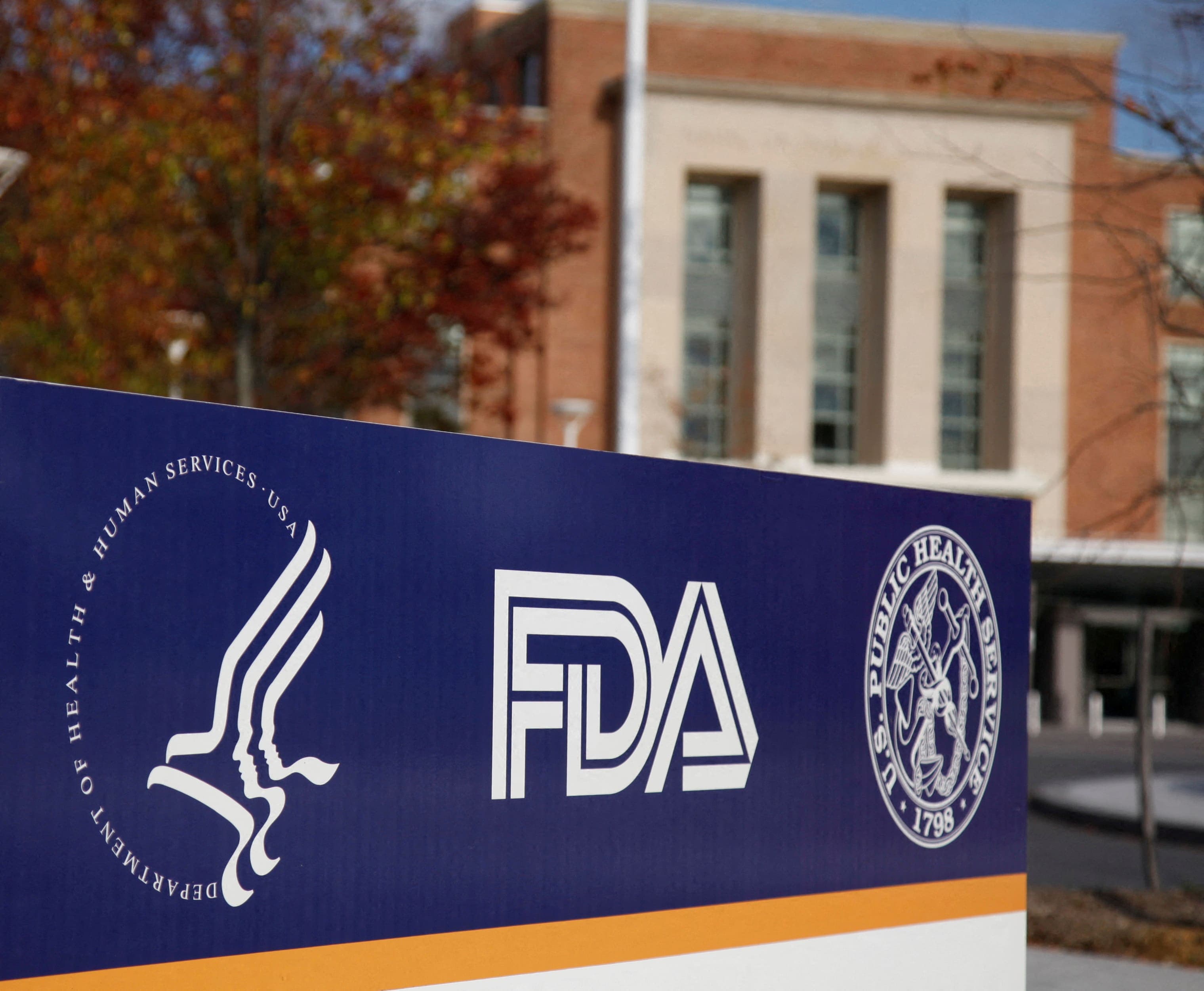
Photo via CNBC Business
The U.S. Food and Drug Administration has signaled a significant shift in its regulatory approach to psychedelic-based pharmaceuticals, according to CNBC Business. The move follows a recent executive order and reflects growing recognition within federal health agencies that these compounds may offer therapeutic benefits for conditions that have proven resistant to conventional treatments.
The FDA's new posture focuses on accelerating research and development pathways for psychedelic medicines targeting three primary indications: treatment-resistant depression, post-traumatic stress disorder, and substance use disorders. This represents a notable departure from decades of restrictive scheduling that effectively halted mainstream medical research into these compounds. The agency's willingness to fast-track such therapies could reshape the pharmaceutical landscape in coming years.
For Nashville's healthcare and biotech sectors, this policy shift opens potential opportunities in clinical research, drug development, and treatment delivery. The region's growing life sciences community and established healthcare infrastructure position local companies and research institutions to participate in this emerging field, whether through direct development efforts or supporting services.
The implications extend beyond therapeutics to broader conversations about mental health treatment, veteran care, and addiction medicine—issues affecting Nashville communities and employers alike. As clinical trials advance, healthcare providers and insurers in the region should monitor regulatory developments and outcomes data to understand how these treatments might eventually integrate into standard care protocols.