Photo via Fortune
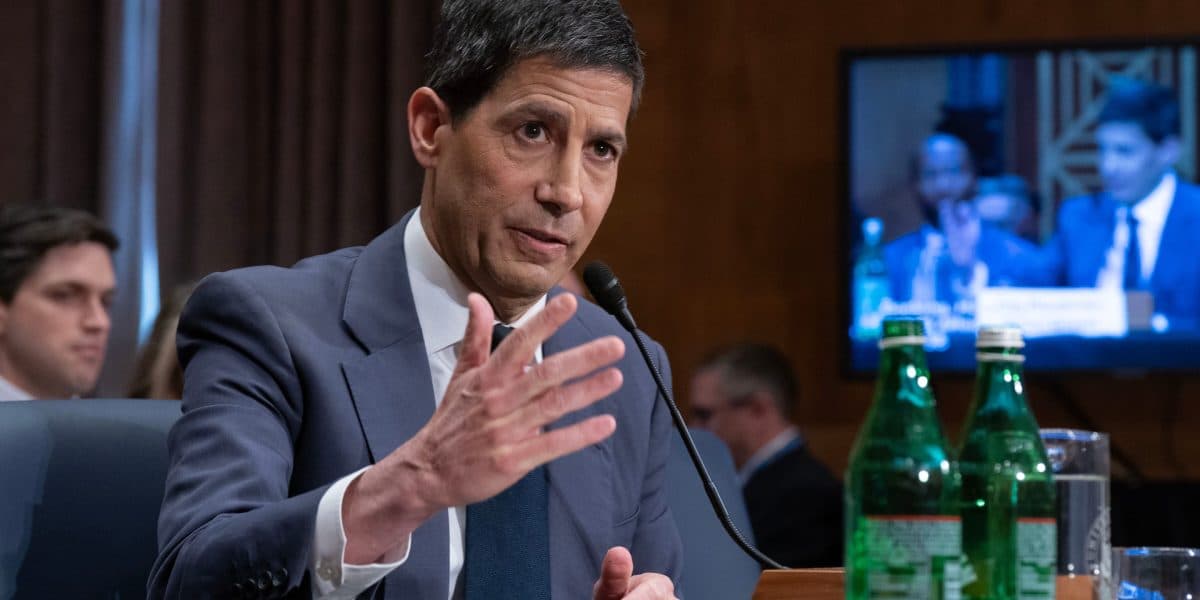
Kevin Warsh, tapped to lead the Federal Reserve, faces scrutiny over his potential independence from political pressure, according to analysis from former Federal Reserve Chair Jerome Powell's advisers. The concern centers on whether Warsh will make decisions based purely on economic data and monetary policy objectives, or whether his close ties to incoming political leadership could influence his judgment.
Unlike Alan Greenspan, who wielded substantial institutional gravitas during his tenure, Warsh enters the role without the same level of established credibility and autonomy, observers say. This structural disadvantage compounds concerns about his ability to resist external pressure when making critical decisions about interest rates, inflation targets, and credit conditions that ripple through the broader economy.
For Nashville's business community—including the region's growing financial services sector, real estate market, and small business ecosystem—the Fed chair's independence matters significantly. Monetary policy decisions directly affect borrowing costs, investment returns, and economic growth trajectories that shape opportunities across Middle Tennessee's diverse industries.
The tension between political alignment and institutional independence represents a broader challenge for the Federal Reserve system. Warsh's appointment signals a pivotal moment for the institution's role in maintaining economic stability while managing external expectations from elected officials.